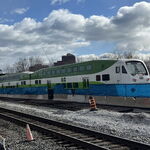
You're just putting words in my mouth. The problem with the Richmond Hill Line is simply that it just sucks at a fundamental level, and no amount of Electrification is going to change that fact. The alignment is just slow, and prone to shutdowns due to flooding. Reminder that according to Metrolinx, once the YNSE opens it will take just as long to travel from RHC to Queen Station on both Line 1 and the RHL including the transfer at Union. The Line is simply bad.
We're electrifying the sections of Line that don't have issues with freight. Sure, let's separate passenger from freight, but let's also electrify the sections of track where this isn't a problem to begin with. Why do we need to wait to fix problems that affect only a small section of the network.
I agree, but that doesn't mean we have to hold back on such upgrades that will lead us to that point because we can't upgrade certain parts of the network. Our inability to electrify the tracks in Hamilton shouldn't mean we can't go forward in electrifying and improving tracks in Pickering. This is the fundamental problem with your argument, you're suggesting that we kneecap the potential of a majority of the network simply because there are small sections of the network that aren't great due to external factors.
Also remember, GO Expansion isn't just "Electrification", its also double tracking and mass service expansion. If you look at the construction that is taking place on all of the core GO Expansion Lines (namely Kitchener, Barrie, and Stouffville), you'd notice that they're first upgrading the corridors to support frequent all day service, and only then are they electrifying the network. Its not as if Electrification is the #1 priority of this entire project, the priority is and always has been the infrastructure to allow for more frequent service. A few years from now, Barrie will go from being an hourly off peak service, to one that can run every 20-30m in both directions all day, and that's before we raise even a single wire. This is because of the work that's been going along the corridor for the past 6 years, including but not limited to the Davenport Diamond Project, and the rehabilitation of stations such as Rutherford and Maple. So your implication that Metrolinx is valuing electrification over all else is simply wrong.
Its called being pragmatic and reasonable. I think everyone here would love to see a Milton Line RER with 15m headways, but fact of the matter is that there are environmental factors that make doing so difficult; factors that aren't present on the LSE, Barrie, and Stouffville Lines. Obviously Metrolinx should work on fixing those and to try and improve the service on the line, but that shouldn't have to kneecap the work that MX is able to do on the other corridors that are fully open to infrastructure that improve service frequency and enables electrification.