


Bordercollie
Senior Member
At least it creates jobs for beurocrats and finance people.Now we know who are the insiders of this project
|
|
|
At least it creates jobs for beurocrats and finance people.Now we know who are the insiders of this project

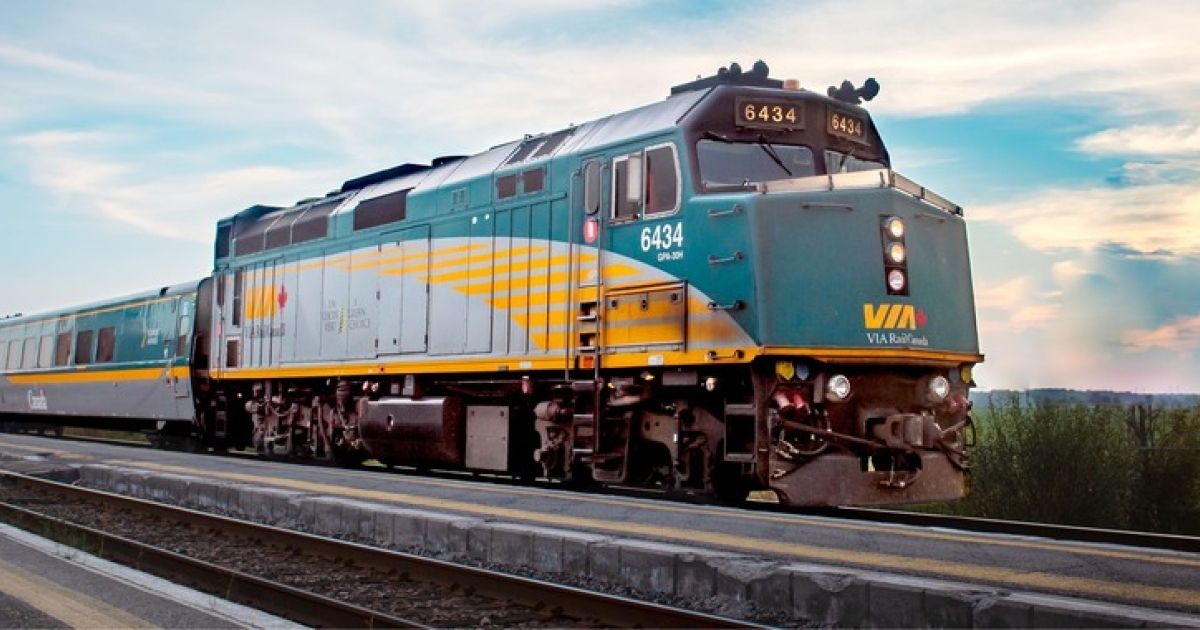
One person was trying to handle at least nine disrupted trains at once on Dec 23.Okay but what happened that day is not just a funding issue (that is part of it). The main problem was the lack of co-ordination and the lack of organization. Nobody made any good decisions that day and it was felt that it was better to do nothing than to do something.
Charging people for food when stranded on a train for more than a day is not a funding issue. That's a fundamental problem at the core of the organization.
Not informing stations of cancelled trains is just insane. How hard is It to send an email to all stations affected?
The supervisors and managers on duty should be fired.
Not to mention that most developed countries wouldn’t treat disaster relief measures like supplying hundreds of stranded passengers at inaccessible places with water and food before evacuating them as the exclusive responsibility of individual carriers rather than providing governmental coordination and resources to rescue its citizens…One person was trying to handle at least nine disrupted trains at once on Dec 23.
Being able to juggle all that perfectly would have been up there with walking on water, even if the aging computer system hadn't picked that moment to fall over, which is a funding issue.
Not having the bench strength to bring in pinch hitters to support ops on a day like that is a funding issue.
Having quite a few relatively new on-board crew due to the pandemic layoffs is a funding issue.
Not having the standby crews and equipment to deploy a relief train quickly is also a funding issue.
There are things that could have been done a lot better, and VIA addressed that in their appearance before the House of Commons Transportation committee, but most of them come down to funding. VIA can run on a shoestring, but with only half a shoestring things are going wrong.
So assuming that money would solve the problem. How much are we talking about ? 500k? 1 million? In annual subsidy? If it's determined that they need to be able to respond within a certain period then wont the government be required to add that funding?Not to mention that most developed countries wouldn’t treat disaster relief measures like supplying hundreds of stranded passengers at inaccessible places with water and food before evacuating them as the exclusive responsibility of individual carriers rather than providing governmental coordination and resources to rescue its citizens…
The point was that it is economic insanity to expect companies (private or public) to allocate significant resources to maintain capabilities for less-than-annual events. Rather than have CN, CP, VIA and every single bus company have separate warehouses full of equipment, food and water rations to respond to whatever incidents might affect their companies, the government should provide these capabilities and respond to whatever disaster arrives (just like only plants operating with highly hazardous substances have their own dedicated fire brigade, while all other fires are addressed by public fire bridgade forces).So assuming that money would solve the problem. How much are we talking about ? 500k? 1 million? In annual subsidy? If it's determined that they need to be able to respond within a certain period then wont the government be required to add that funding?
Ok but in fairness 28 hours is a long time to be stranded on a train 2 km from the closest station.The point was that it is economic insanity to expect companies (private or public) to allocate significant resources to maintain capabilities for less-than-annual events. Rather than have CN, CP, VIA and every single bus company have separate warehouses full of equipment, food and water rations to respond to whatever incidents might affect their companies, the government should provide these capabilities and respond to whatever disaster arrives (just like only plants operating with highly hazardous substances have their own dedicated fire brigade, while all other fires are addressed by public fire bridgade forces).
Just have a look at the moronic thread to which I was responding here:
I'm not sure where you got that 28 hour figure from, but I don't think that even 8 hours of being stuck on a train would be "acceptable" to any passenger in a region which isn't remote (as in: "far from any centre of population") by any standard. It has been abundantly clear since the day after the snow storm that whichever processes were in place were inadequate to respond to the simultaneous immobilization of about a dozen (!) trains, but I don't understand why you insist that heads must roll ("The supervisors and managers on duty should be fired.") rather than accepting that the scale of emergency overwhelmed whatever emergency-response processes were in place.Ok but in fairness 28 hours is a long time to be stranded on a train 2 km from the closest station.
4 would be ideal, 8 is acceptable.
It's like being stuck on the tarmac because they don't have enough people to open a gate for you for 28 hours. They couldn't get air stairs to the plane to evacuate passengers?
What about refusing to give out free food and making people pay for food while stranded on a train?I'm not sure where you got that 28 hour figure from, but I don't think that even 8 hours of being stuck on a train would be "acceptable" to any passenger in a region which isn't remote (as in: "far from any centre of population") by any standard. It has been abundantly clear since the day after the snow storm that whichever processes were in place were inadequate to respond to the simultaneous immobilization of about a dozen (!) trains, but I don't understand why you insist that heads must roll ("The supervisors and managers on duty should be fired.") rather than accepting that the scale of emergency overwhelmed whatever emergency-response processes were in place.
The assumption that someone must be responsible is of course very human, but there are very good reasons why the Transport Safety Board analyses the events leading to an accident and the response to the after-math without allocating blame. Furthermore, the history of railway accidents is paved with accidents which weren't caused by employees violating the rules and guidelines, but by meticulously following them while they turned out to be horribly inadequate, as nobody had foreseen the possibility for this kind of situation...

Honeslty thats just straight up nickel and diming on an emergency situation and is more reflective of poor emergency policies over funding. Hell if I were stuck I'd buy just for the sake of human kindness rather than promptingWhat about refusing to give out free food and making people pay for food while stranded on a train?
Nobody bothered to order pizza or at least notify the emergency services just to have them on standby.
But if that was SOP why did nobody know about it?Honeslty thats just straight up nickel and diming on an emergency situation and is more reflective of poor emergency policies over funding. Hell if I were stuck I'd buy just for the sake of human kindness rather than prompting
Well that's just it... it wasn't sop.But if that was SOP why did nobody know about it?
And nobody at command was around to order pizza for the passengers?
But the person who testified stated that there was and staff did not follow it.Well that's just it... it wasn't sop.