News   Apr 01, 2026
 195     0 
News   Apr 01, 2026
 312     0 
News   Apr 01, 2026
 498     1 

GO Transit: Construction Projects (Metrolinx, various)

A few photos from the Small's Creek Ravine, taken March 27, 2021:

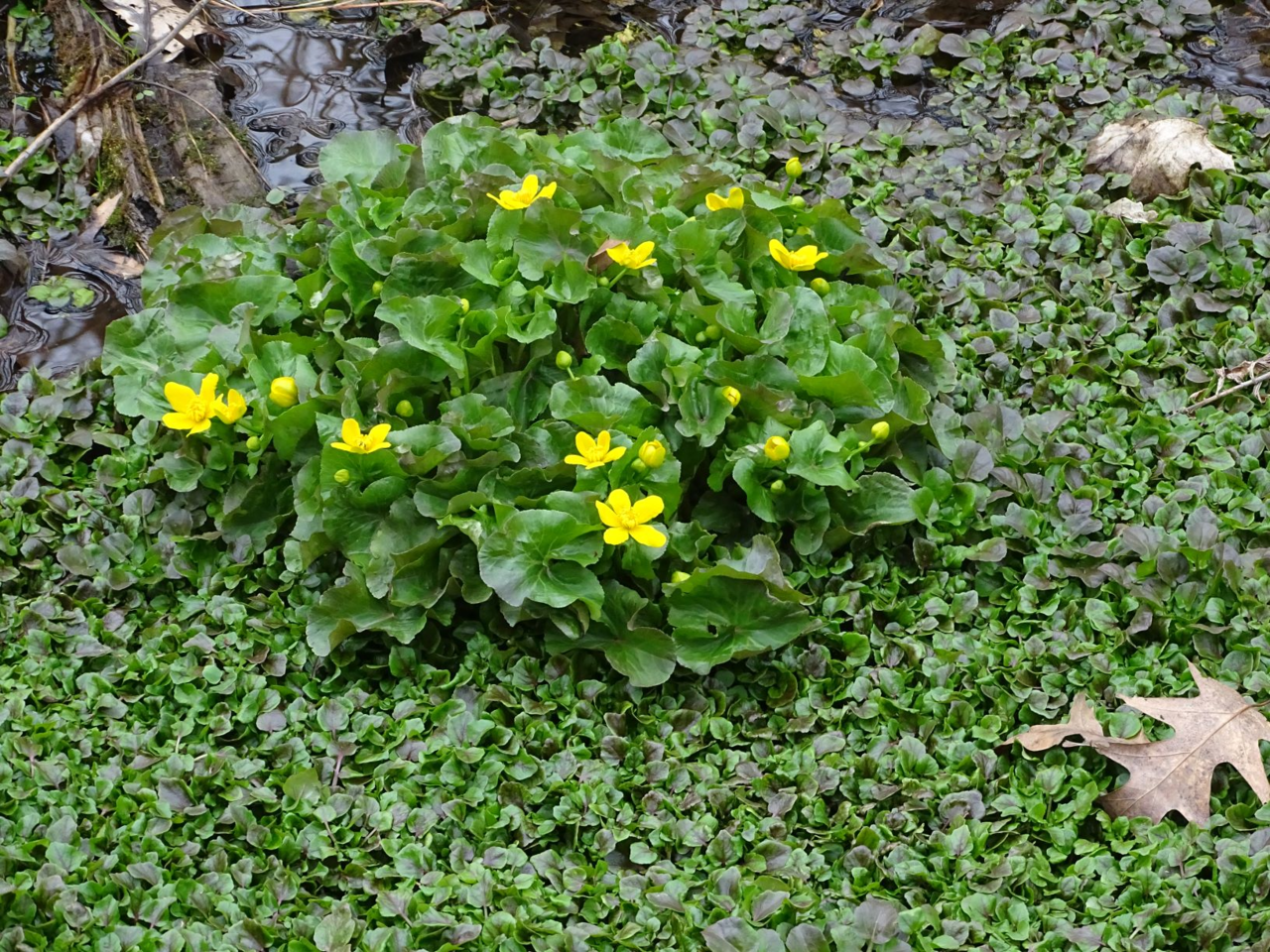
The Yellow Flowers below are native, and are called Marsh Marigold

1616888727589.png


These are the flowers up close:

1616888793096.png


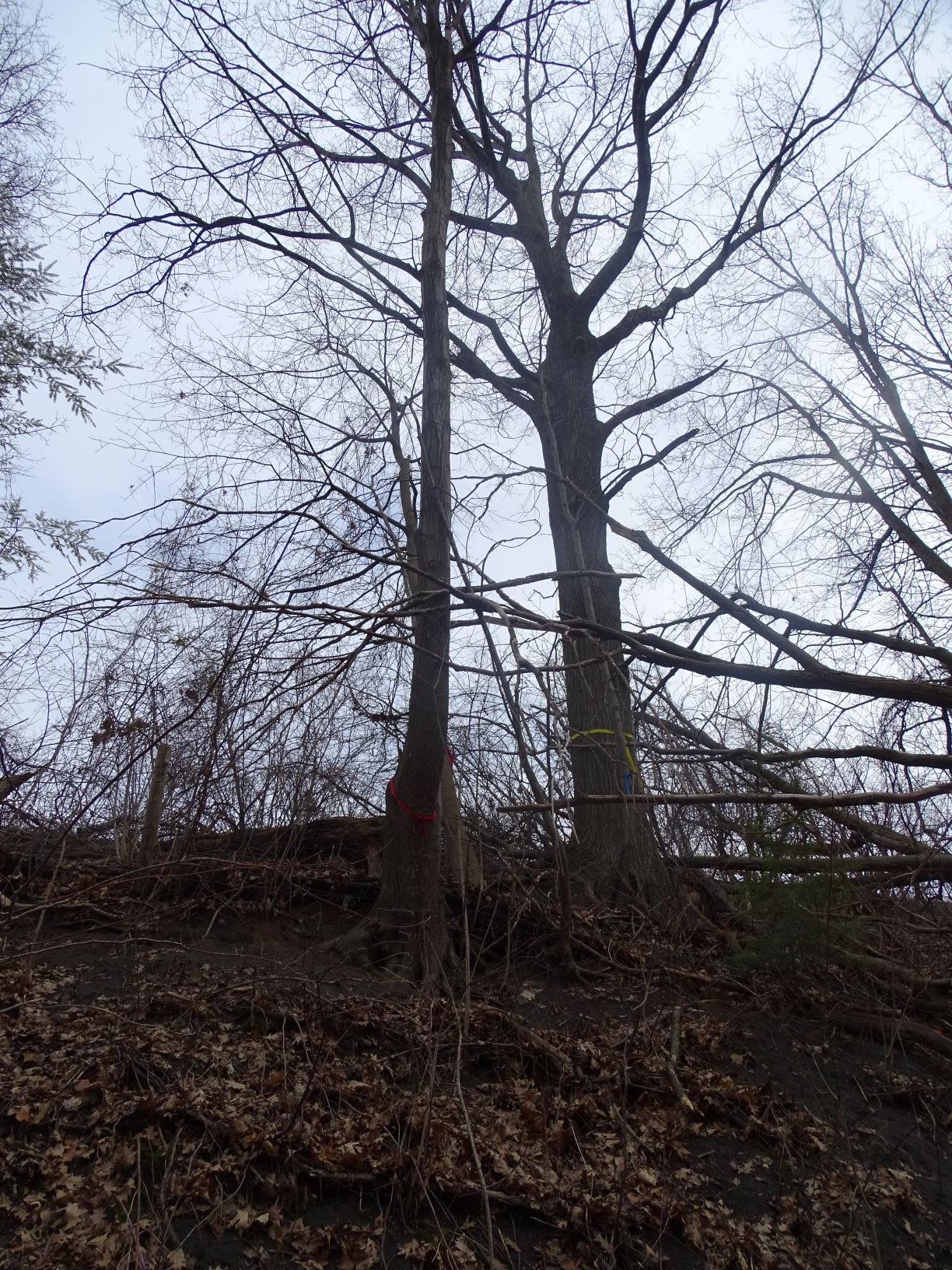
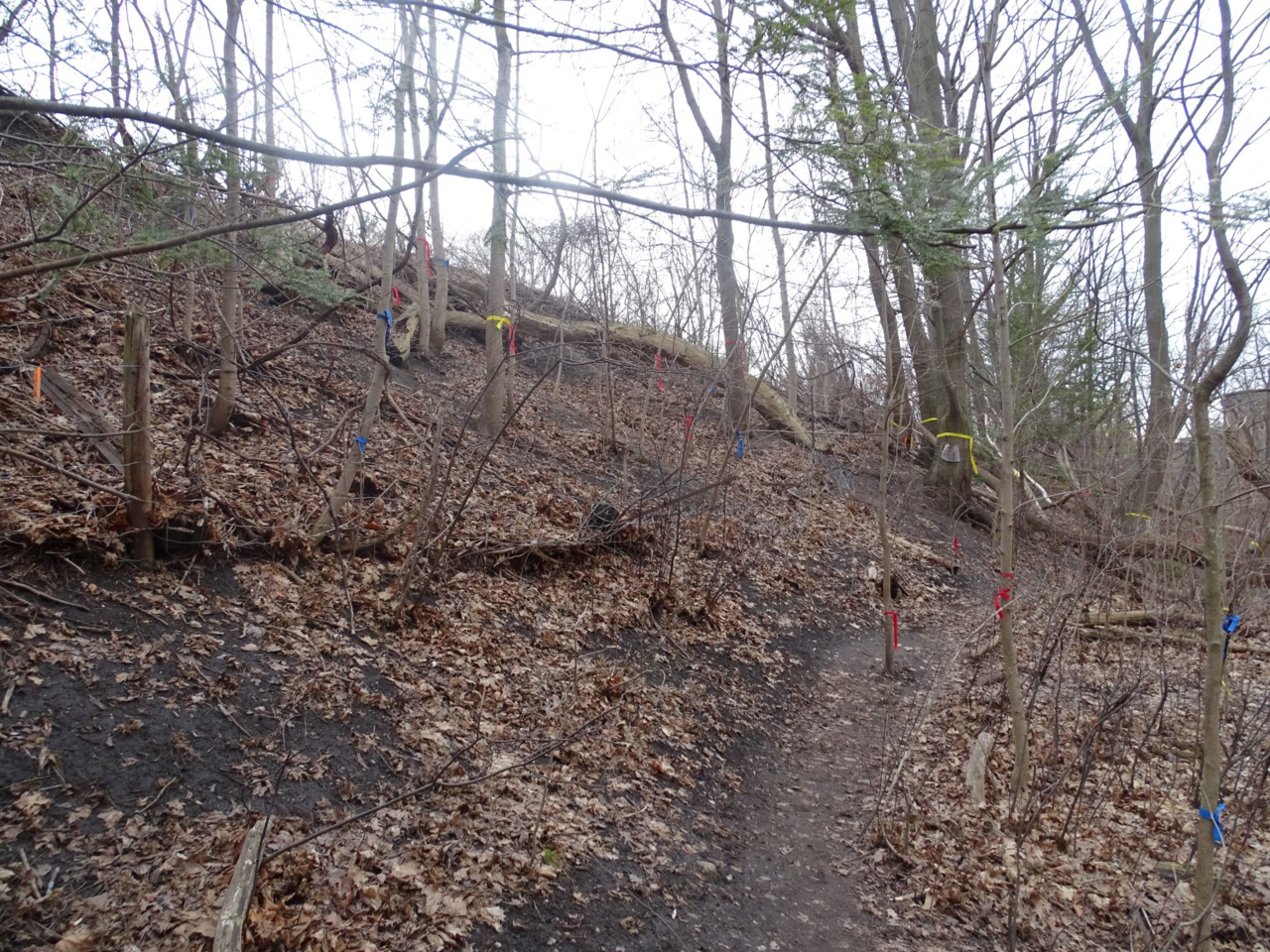
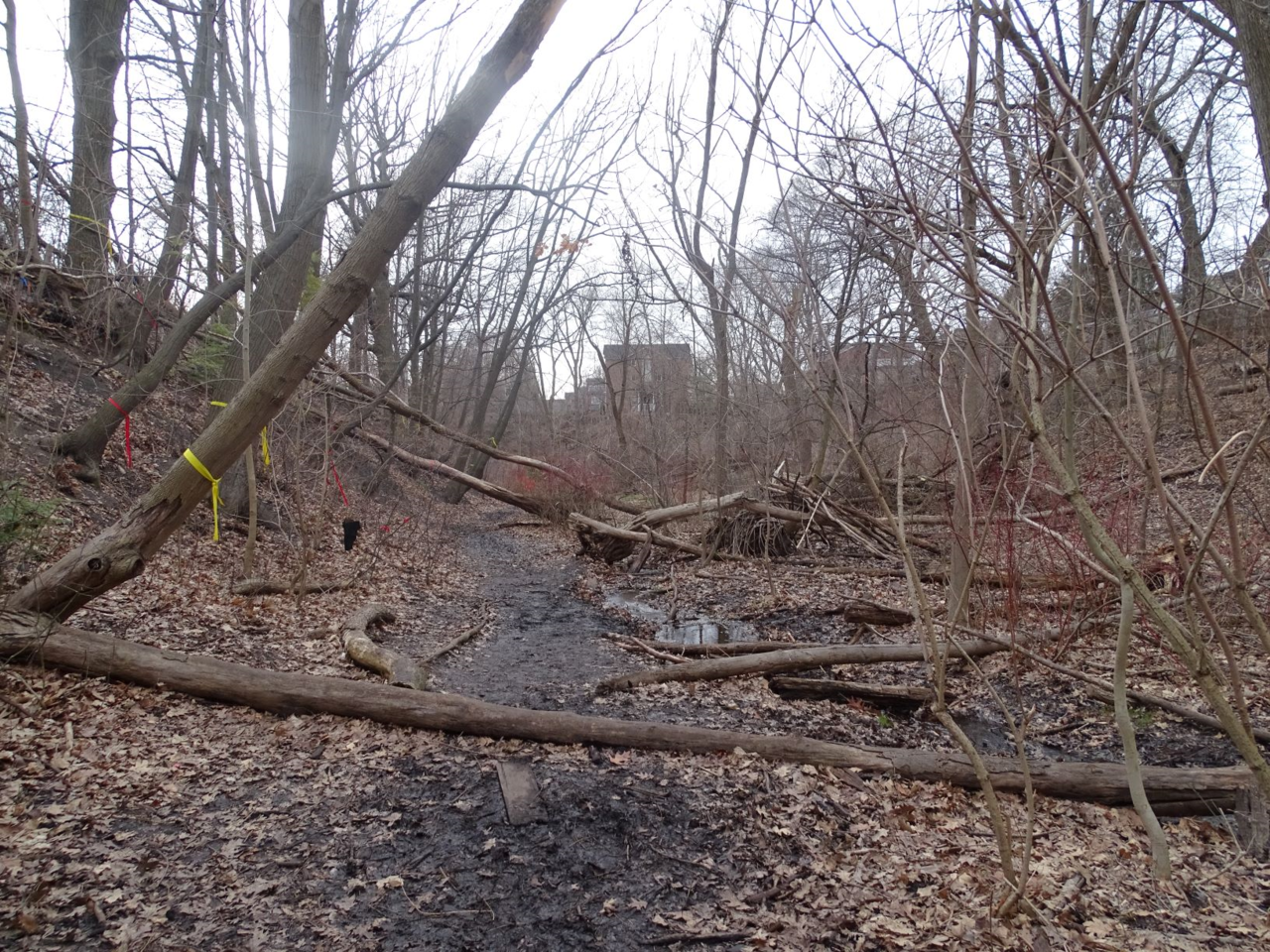
This is the rail embankment (also the south elevation/northface of the ravine), trees with ribbons may be subject to removal:
1616888908689.png


1616888948050.png


1616888988376.png


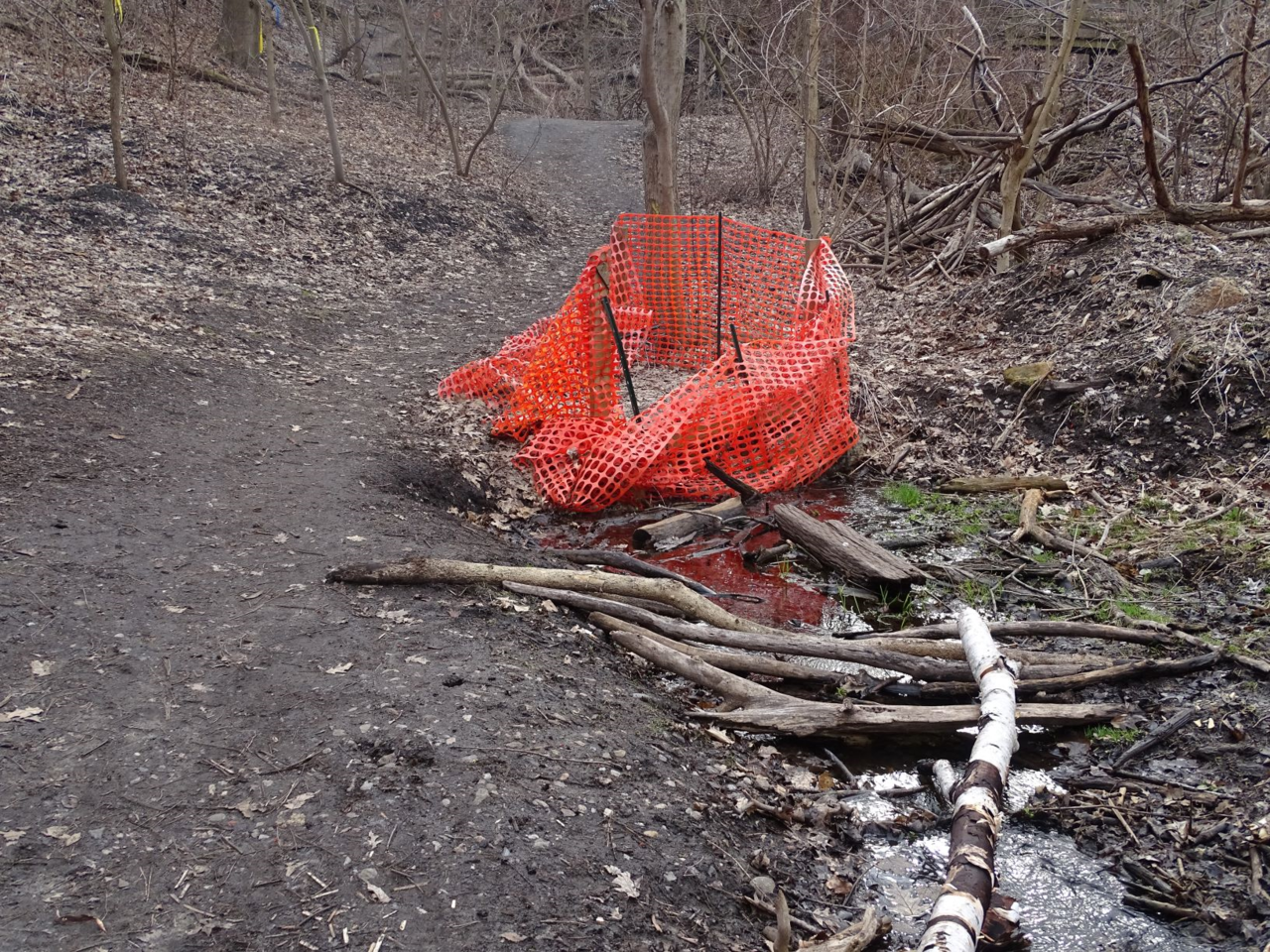
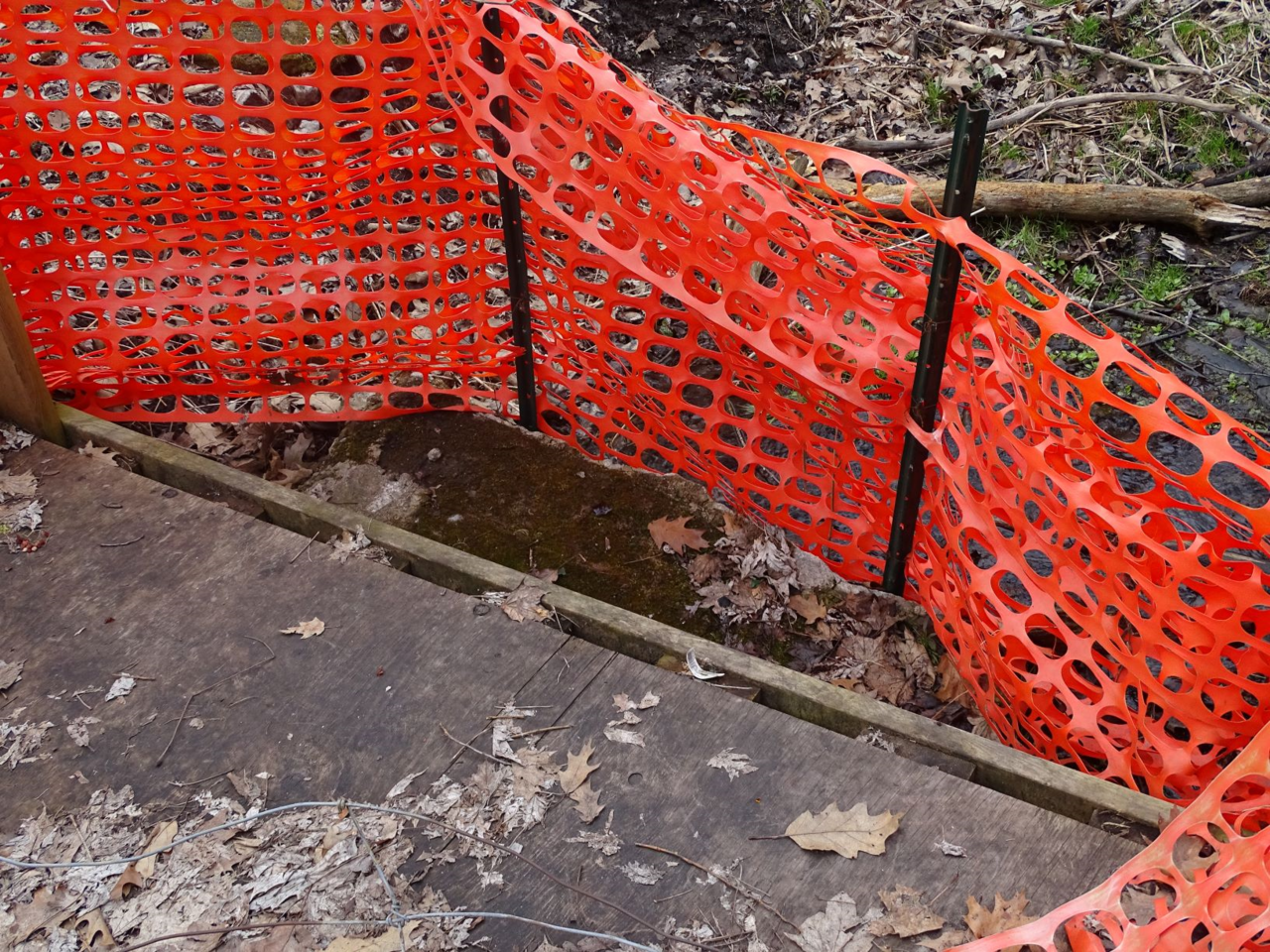
This little thing, surrounded by orange snow fence is the culvert where the water disappears to go under the tracks:
1616889064177.png


I'm standing on top of it here, sorta, they built a wooden cover of sorts over the concrete structure containing the culvert:
1616889132950.png


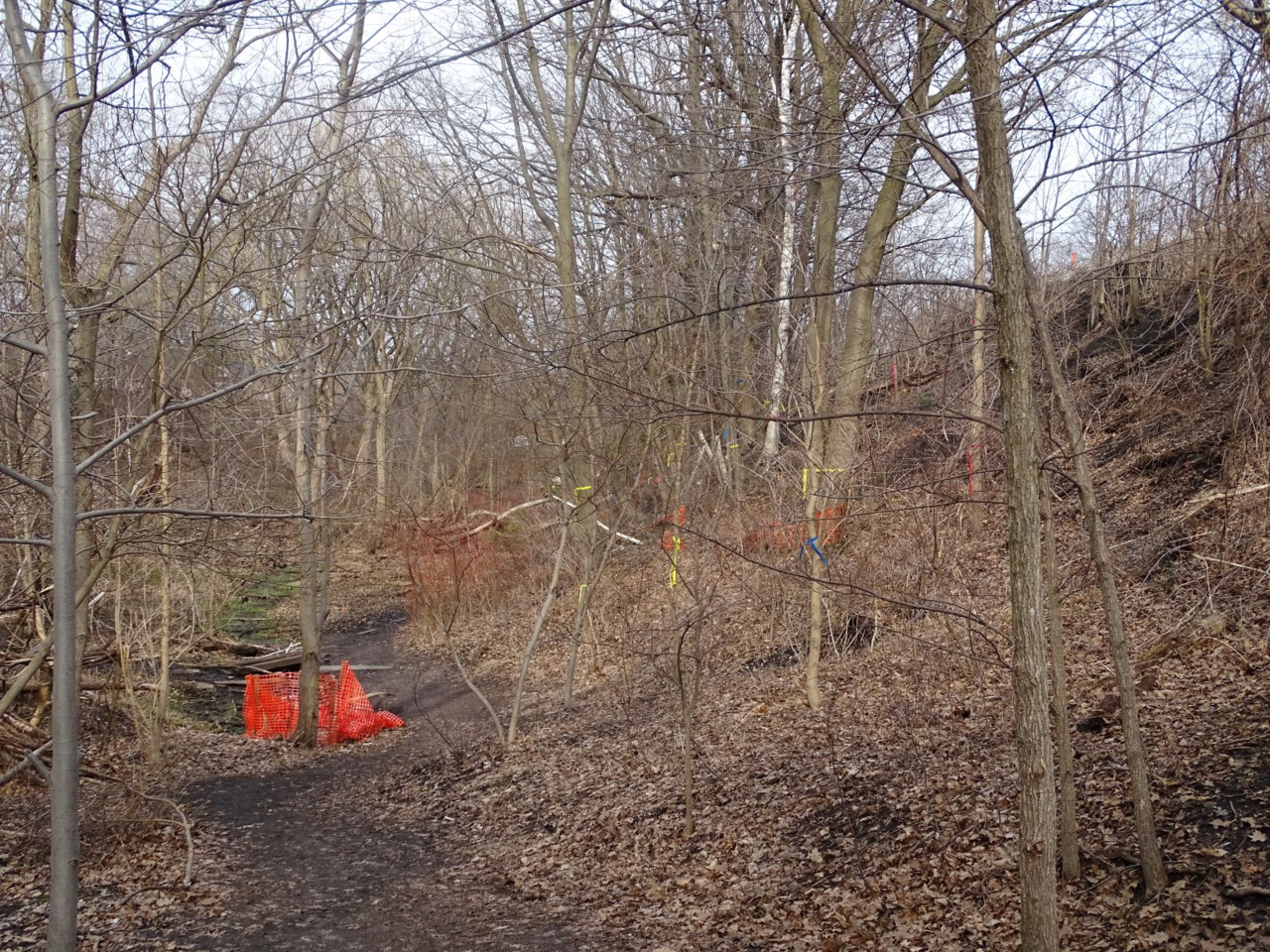
Reaching the tail end of the ravine here:
1616889171334.png


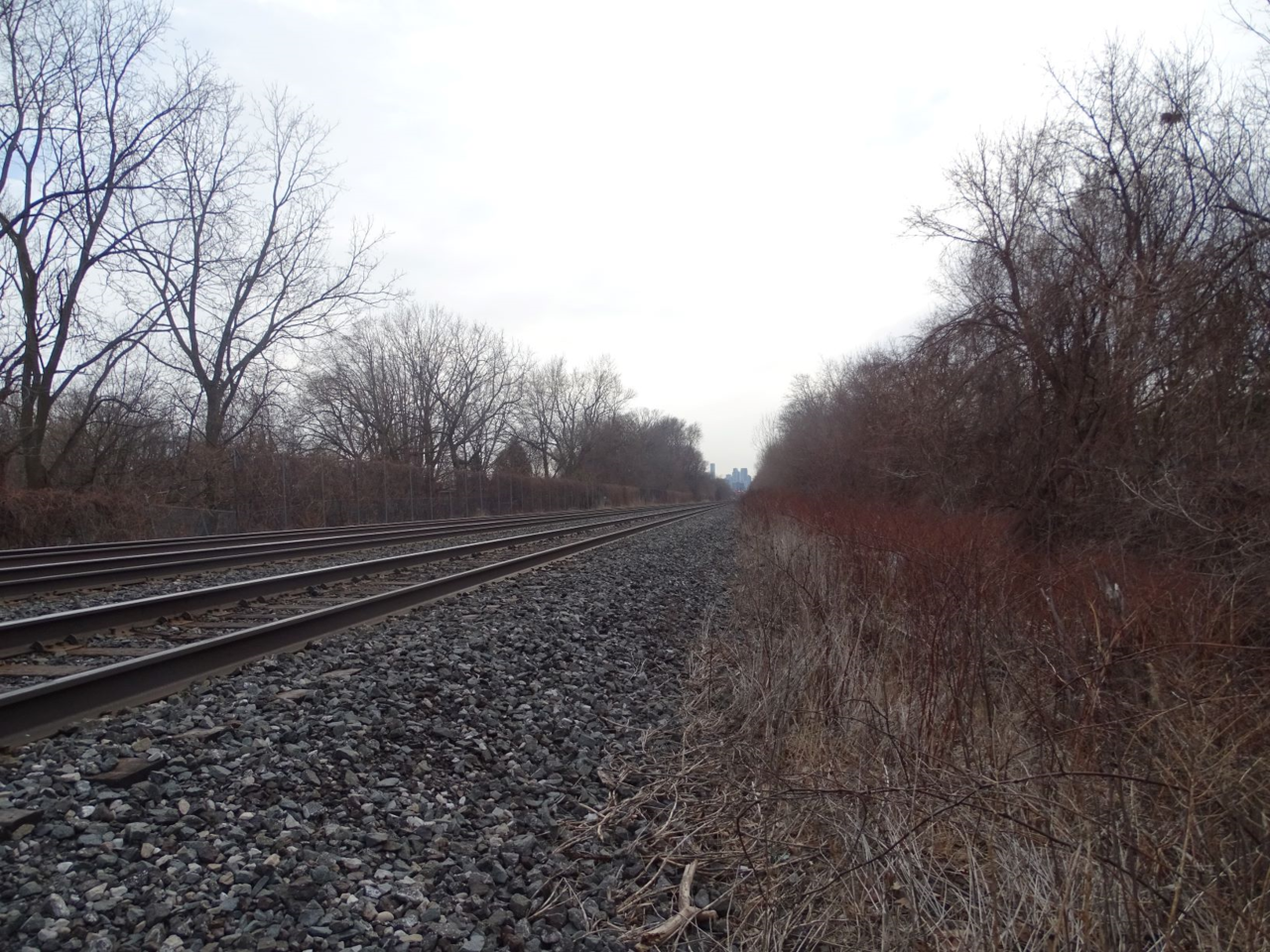
There was actually no fence or 'no trespassing sign at the top of the embankment, so I popped up, to take a shot or 2.

This is facing west:
1616889252427.png


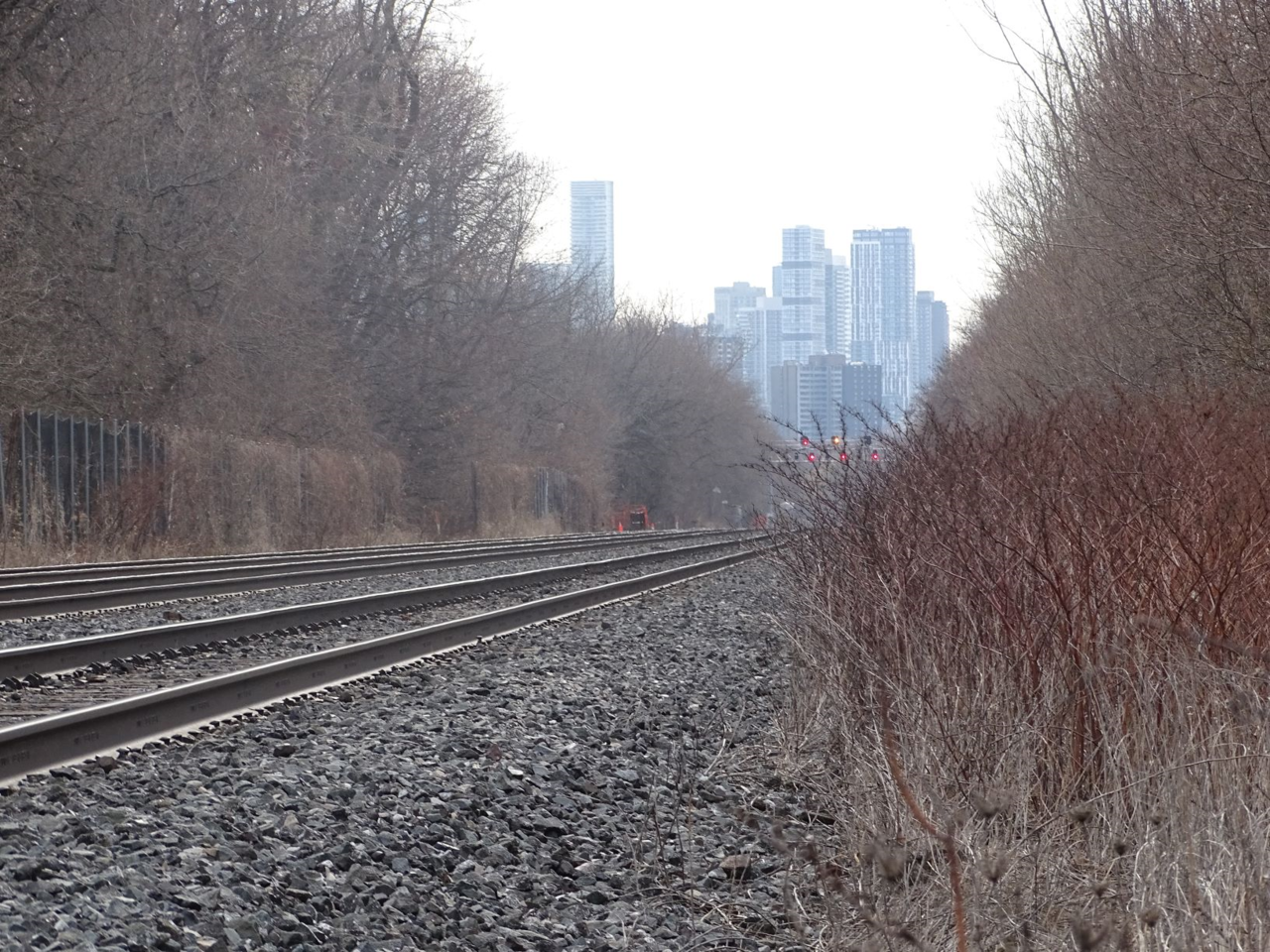
This is the Zoomed version. The south side of the ravine is below the high fence you see on the left:
1616889296982.png


Last shot, this is just of the boardwalk beside the marsh:
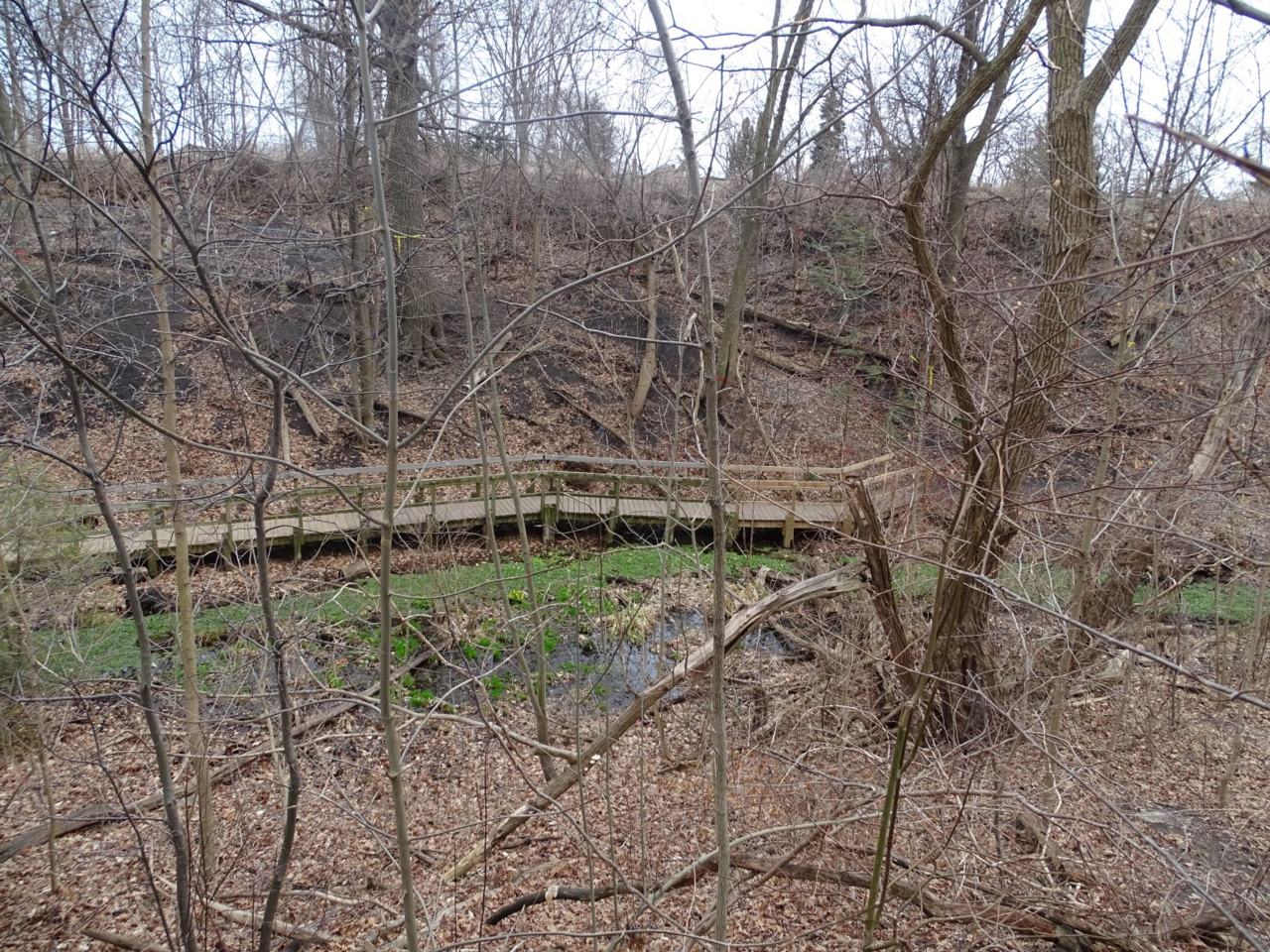
1616889368098.png
 
No fence? Between a public pathway and a pretty fast rail line?

Nope.

Doubtless there was one at some point, but I didn't walk over one either.

What's the speed limit through that piece, west of Woodbine?

No idea, but I did see a VIA train pass about 5 minutes before I got up there, and it was really moving.
 
If one check the rail corridor from end to end, they will find miles of unfence area as well where people have cut it down to get across the tracks.

The only way you can stop ppl access the rail corridor if to have a sound barrier wall 12' high and that one help of a cost doing it. If you are going to get trains up to 200-300 km, you will need those walls.
 
If one check the rail corridor from end to end, they will find miles of unfence area as well where people have cut it down to get across the tracks.

The only way you can stop ppl access the rail corridor if to have a sound barrier wall 12' high and that one help of a cost doing it. If you are going to get trains up to 200-300 km, you will need those walls.

In rural areas there are hiking trails that go alongside, or even cross the tracks at grade, with railway permission.

Toronto and the Lakeshore corridor are of course different in terms of frequency, speed and volume of traffic.

In urban areas, where restrictions do make sense, it is critically important to find logical ways for pedestrians/cyclists to cross the tracks on over/underpasses.

In the case of this ravine, if full-height sound barriers were the plan, it would block a lot of the ravine's light; at at that point, I think looking at trusses/bridges would really make more sense, even though it would be costly.
 
In rural areas there are hiking trails that go alongside, or even cross the tracks at grade, with railway permission.

Toronto and the Lakeshore corridor are of course different in terms of frequency, speed and volume of traffic.

In urban areas, where restrictions do make sense, it is critically important to find logical ways for pedestrians/cyclists to cross the tracks on over/underpasses.

In the case of this ravine, if full-height sound barriers were the plan, it would block a lot of the ravine's light; at at that point, I think looking at trusses/bridges would really make more sense, even though it would be costly.
The light will not be block with clear see threw material that is used along the corridor now. Dufferin St and Dupont are 2 location for the see threw.

Having trails and paths beside RR is common in Europe as well a number of places in NA.
 
If one check the rail corridor from end to end, they will find miles of unfence area as well where people have cut it down to get across the tracks.

The only way you can stop ppl access the rail corridor if to have a sound barrier wall 12' high and that one help of a cost doing it. If you are going to get trains up to 200-300 km, you will need those walls.
...along with guard towers.


steinstucken-germany-this-east-german-guard-tower-overlooks-the-picture-id515450890


From link.
 
Some evidence of work in the LSE Corridor, looking west off the Main Street Bridge, on March 29, 2021:

1617070868510.png


A gratuitous skyline shot via zoom with a bit of the work zone captured:

1617070928401.png


A slightly closer look at the work on the south side of the corridor:

1617070984280.png
 

Back
Top