|
|
|





You are using an out of date browser. It may not display this or other websites correctly.
You should upgrade or use an alternative browser.
You should upgrade or use an alternative browser.
T
tkip
Guest
yyzer, I take offence at the pic of the young girl killed during the shootout with the words R.I.P. scrolled across the bottem that you posted.
A more sensitive narrative below the picture would have more appreaciative. R.I.P. sounds like you're trying to make light of this situation.
A more sensitive narrative below the picture would have more appreaciative. R.I.P. sounds like you're trying to make light of this situation.
B
bizorky
Guest
By the way, did you know the shooting made DETROIT NEWS today. Because even in the city you guys like to make fun of, gangsters don't go downtown shoot people walking the street.
More hand-wringing, mike. You make it sound as if this is a daily occurence in downtown Toronto.
Car accidents kill more people than the act of murder. People are not abandoning their cars in droves.
M
miketoronto
Guest
Thats what you think bizorky. But this shooting is the one that has tipped the scale the other way.
I already just talked to one person from Scarborough who is avoiding going out in the city, due to fear of crime.
This will have a much bigger impact then you can think. Better hope Downtown Yonge can hold strong through this. Because there will be less visitors.
And if the city does not crack down on crime who knows how many people wil stop coming to Toronto.
Just think of that story making news in Detroit. Now all of METRO Detroit is going to think Toronto is no better then Detroit when it comes to crime. You can bet we will see less visitors.
I already just talked to one person from Scarborough who is avoiding going out in the city, due to fear of crime.
This will have a much bigger impact then you can think. Better hope Downtown Yonge can hold strong through this. Because there will be less visitors.
And if the city does not crack down on crime who knows how many people wil stop coming to Toronto.
Just think of that story making news in Detroit. Now all of METRO Detroit is going to think Toronto is no better then Detroit when it comes to crime. You can bet we will see less visitors.
G
ganjavih
Guest
R.I.P. sounds like you're trying to make light of this situation.
Since when does "rest in peace" make light of a situation?
S
SD2
Guest
I haven't really posted much on this topic since I have a lot to say. However, one thing I think the city has to caution against (though it's probably too late) is a severe overreaction. Some friends argue that an overreaction is good...so that there will be significant pressure to quickly deal with the issue. I agree with them to a certain extent, but I think an overreaction such as the one we're seeing is just as detrimental as it is positive. This article kind of demonstrates what I'm trying to say:
Beware Toronto, CNN tells viewers
Shootout could hurt tourism
`Sends a shiver down your spine'
Dec. 29, 2005. 01:00 AM
RICK WESTHEAD
BUSINESS REPORTER
The cast of CNN's American Morning TV show yesterday issued a warning to viewers: beware of Toronto.
In a segment that aired alongside stories about efforts by U.S. soldiers to help an ill Iraqi toddler and a woman's attempts to file a restraining order against talk-show host David Letterman, CNN anchors discussed Toronto's Boxing Day shootout that killed 15-year-old Jane Creba and left 6 others in hospital.
"The murder rate in Toronto has doubled this year," Miles O'Brien said. "There's a whole, you know, crime spree underway."
Already battered in recent years from after-effects from the Sept. 11, 2001, terrorist attacks, outbreaks of SARS in 2003, and from an increase in the value of the Canadian dollar, which makes it more expensive for foreigners to travel here, Toronto's tourism industry now faces another hurdle: how to reassure prospective visitors the city is safe.
"Toronto's got a big problem on several levels," said Allan Bonner, a crisis management consultant whose clients have included a number of petroleum companies since the 1989 Exxon Valdez oil spill.
"People make instant decisions these days and many would think nothing of saying, `let's not go to Toronto.' They just see the news on TV about the murders here and make the ill-informed decision that the city has some sort of problem."
The flurry of shootings on Yonge St. a day after Christmas that left a teenager dead marked the 52nd firearm-related death in Toronto this year, nearly twice as many as a year ago. The city's homicide toll stands at 78, close to the record 88 murders in 1991.
The Boxing Day shootings remained front-page news yesterday for newspapers in Montreal, Calgary and Saskatoon, and also received coverage in the large-city U.S. papers such as the Miami Herald, the Charlotte Observer and the Chicago Sun-Times.
Bonner said the sentiment that Toronto may be a place to avoid could be heightened among American tourists who "happen to remember SARS, or remember Canada's position on the Iraq war. Now they see that people are shooting each other in Toronto. They wouldn't necessarily think `Oh, but it's still safer than New York or a U.S. city.' They just see that there's a problem."
`The murder rate in Toronto has doubled this year ... a crime spree is underway.'
Miles O'Brien, CNN news anchor
In the first quarter of 2005, which is the most recent quarter for which statistics are available, roughly 558,000 Americans travelled to Canada, a slight increase over the 556,000 who came here during the comparable period a year earlier, according to the Toronto Convention and Visitors Association.
There were 160,000 overseas visitors during the first quarter of 2005, up 7 per cent, the city's tourism office reported.
Toronto Tourism spokesperson Andrew Weir said the trade association, which is funded by members including hotels, restaurants and convention centres, will continue to buy ads in newspapers and magazines in New York, Washington and Chicago to promote tourism here.
In 2005, the group expects to spend $2 million (Canadian) on ads in the U.S. after buying no ads in 2004.
"Toronto's still a safe city, and we'll keep marketing it that way," Weir said.
Still, Peter Degraaf, a Bracebridge real estate agent, said Toronto's recent spate of high-profile murders might also deter tourism from nearby satellite communities.
"This stuff sends a shiver down your spine," Degraaf said. "When I was a kid, I remember taking school trips down to Toronto and the highlight was walking Yonge Street. No way a parent is going to let their kid do that now. They're going to be sticking to big-box stores or places with high security."
To be sure, Toronto's tourism challenges would seem to pale next to those faced by cities such as Madrid, London or New York, which were forced to grapple with attracting tourists after major terrorist attacks.
And even those cities managed to post strong tourism-related statistics in the wake of the attacks.
New York, for instance, drew a record 30.2 million domestic tourists in 2002, up 2.2 per cent from the prior year, although the number of international tourists slipped.
Beware Toronto, CNN tells viewers
Shootout could hurt tourism
`Sends a shiver down your spine'
Dec. 29, 2005. 01:00 AM
RICK WESTHEAD
BUSINESS REPORTER
The cast of CNN's American Morning TV show yesterday issued a warning to viewers: beware of Toronto.
In a segment that aired alongside stories about efforts by U.S. soldiers to help an ill Iraqi toddler and a woman's attempts to file a restraining order against talk-show host David Letterman, CNN anchors discussed Toronto's Boxing Day shootout that killed 15-year-old Jane Creba and left 6 others in hospital.
"The murder rate in Toronto has doubled this year," Miles O'Brien said. "There's a whole, you know, crime spree underway."
Already battered in recent years from after-effects from the Sept. 11, 2001, terrorist attacks, outbreaks of SARS in 2003, and from an increase in the value of the Canadian dollar, which makes it more expensive for foreigners to travel here, Toronto's tourism industry now faces another hurdle: how to reassure prospective visitors the city is safe.
"Toronto's got a big problem on several levels," said Allan Bonner, a crisis management consultant whose clients have included a number of petroleum companies since the 1989 Exxon Valdez oil spill.
"People make instant decisions these days and many would think nothing of saying, `let's not go to Toronto.' They just see the news on TV about the murders here and make the ill-informed decision that the city has some sort of problem."
The flurry of shootings on Yonge St. a day after Christmas that left a teenager dead marked the 52nd firearm-related death in Toronto this year, nearly twice as many as a year ago. The city's homicide toll stands at 78, close to the record 88 murders in 1991.
The Boxing Day shootings remained front-page news yesterday for newspapers in Montreal, Calgary and Saskatoon, and also received coverage in the large-city U.S. papers such as the Miami Herald, the Charlotte Observer and the Chicago Sun-Times.
Bonner said the sentiment that Toronto may be a place to avoid could be heightened among American tourists who "happen to remember SARS, or remember Canada's position on the Iraq war. Now they see that people are shooting each other in Toronto. They wouldn't necessarily think `Oh, but it's still safer than New York or a U.S. city.' They just see that there's a problem."
`The murder rate in Toronto has doubled this year ... a crime spree is underway.'
Miles O'Brien, CNN news anchor
In the first quarter of 2005, which is the most recent quarter for which statistics are available, roughly 558,000 Americans travelled to Canada, a slight increase over the 556,000 who came here during the comparable period a year earlier, according to the Toronto Convention and Visitors Association.
There were 160,000 overseas visitors during the first quarter of 2005, up 7 per cent, the city's tourism office reported.
Toronto Tourism spokesperson Andrew Weir said the trade association, which is funded by members including hotels, restaurants and convention centres, will continue to buy ads in newspapers and magazines in New York, Washington and Chicago to promote tourism here.
In 2005, the group expects to spend $2 million (Canadian) on ads in the U.S. after buying no ads in 2004.
"Toronto's still a safe city, and we'll keep marketing it that way," Weir said.
Still, Peter Degraaf, a Bracebridge real estate agent, said Toronto's recent spate of high-profile murders might also deter tourism from nearby satellite communities.
"This stuff sends a shiver down your spine," Degraaf said. "When I was a kid, I remember taking school trips down to Toronto and the highlight was walking Yonge Street. No way a parent is going to let their kid do that now. They're going to be sticking to big-box stores or places with high security."
To be sure, Toronto's tourism challenges would seem to pale next to those faced by cities such as Madrid, London or New York, which were forced to grapple with attracting tourists after major terrorist attacks.
And even those cities managed to post strong tourism-related statistics in the wake of the attacks.
New York, for instance, drew a record 30.2 million domestic tourists in 2002, up 2.2 per cent from the prior year, although the number of international tourists slipped.
A
adma
Guest
I already just talked to one person from Scarborough who is avoiding going out in the city, due to fear of crime.
*One* person. Well, what about all those other persons who have *already* fled Scarborough, for Clarington or Barrie or wherever else--all too often "due to fear of crime"?
Well, given where they've fled *to*, good riddance You see, it's not just what's being feared; it's also the nature of those who do the fearing. And in both cases, if Toronto winds up winnowing out the idiots and ignoramuses, we''ll all be better off...
Y
yyzer
Guest
tkip.......why would you take offence to what I posted?
/your comment is just baffling
/your comment is just baffling
T
tudararms
Guest
Bizorky, the empirical evidence indicates that you are wrong: It is not simply *men* commiting these crimes, it is *black men* specifically. Do you not think that is an important piece of information??? To me this means that there is a major issue here to confront that nobody is addressing, for whatever various political reasons. Yet, until we accurately identify the issue in question how can we propose effective solutions?
Although I do agree with you that ultimately individuals must take responsibility for their choices and actions, we as individuals do not exist within a vacuum. We also exist within families, neighbourhoods, communities, and yes unfortunately within gangs. I can't help but feel that a approach to this problem is somewhere to be found within these groups rather than from without and in concert with the overall support of the city and its resources. Essentially it is a fundamental issue of self-empowerment here.
Obviously everybody is a little raw and a little emotional now over the tragedy that happened on Monday. Many otherwise tolerant and compasionate people are getting frustrated by this one community's ongoing problems and the fact that these problems are spilling out into the city at large. We are well aware that the consequences could be devastating - in a city climbing back from SARS it doesn't help the cause to see headlines around the world anouncing rising gun violance in Toronto and shoot-outs in the central tourist area. At the end of the day what most of us want is a safe and healthy city for everybody.
Although I do agree with you that ultimately individuals must take responsibility for their choices and actions, we as individuals do not exist within a vacuum. We also exist within families, neighbourhoods, communities, and yes unfortunately within gangs. I can't help but feel that a approach to this problem is somewhere to be found within these groups rather than from without and in concert with the overall support of the city and its resources. Essentially it is a fundamental issue of self-empowerment here.
Obviously everybody is a little raw and a little emotional now over the tragedy that happened on Monday. Many otherwise tolerant and compasionate people are getting frustrated by this one community's ongoing problems and the fact that these problems are spilling out into the city at large. We are well aware that the consequences could be devastating - in a city climbing back from SARS it doesn't help the cause to see headlines around the world anouncing rising gun violance in Toronto and shoot-outs in the central tourist area. At the end of the day what most of us want is a safe and healthy city for everybody.
D
dan e 1980
Guest
was labeled the most dangerous man in america.....
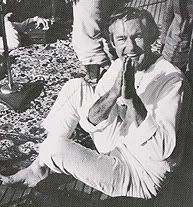
parents bring their children to see his concerts and is accepted by mainstream culture, the media & the powers that rule......

society is to blame. that's why there is gun violence.
parents bring their children to see his concerts and is accepted by mainstream culture, the media & the powers that rule......
society is to blame. that's why there is gun violence.
D
dan e 1980
Guest
i told you gun violence would become the new SARS....
"Beware Toronto, CNN tells viewers
Shootout could hurt tourism"
as per article on previous page.
thx blix.
"Beware Toronto, CNN tells viewers
Shootout could hurt tourism"
as per article on previous page.
thx blix.
B
blixa442
Guest
The sins of the fathers are visited on black youth
December 2, 2005
Globe and Mail
By Eugene Rivers
Canada's black community faces a crisis. A generation of poor, predominantly black youth is in violent rebellion against fatherlessness and, by logical extension, against law and order and an established middle-class black leadership that purports to speak for them. This largely unacknowledged crisis is part of a larger international pattern; from Kingston, Jamaica, to Birmingham, England, from Los Angeles to Chicago, we are witnessing the globalization of "thug life."
Thug life may be defined as the gangsta-talkin' world view that celebrates and promotes, through a multibillion-dollar media and fashion industry, the rhetoric and reality of black-on-black violence and criminality. This phenomenon, which has emerged from the gangsta wing of the hip hop nation founded in the 1970s in U.S. ghettos, has emerged as a powerful symbol of the cultural and political decay of black civil society. In this world, style is substance. The obligatory "big pimpin'" hyper-masculine pose is essential for many young black males to conceal the underlying political impotence that masquerades as manhood.
The involvement of Jamaicans in Toronto's current violence has an added dimension. A troubled political history in that island has led to the development of a culture of violence whose existence precedes the emergence of global thug life. This pattern has trailed Jamaican immigrants to the U.S. and the U.K., and the resulting deportations have simply magnified the problem as sophisticated criminals are returned to the island, train new thugs and, eluding the immigration barriers, cycle back the gang activity to foreign countries.
The violence now being witnessed in Toronto's poor black neighbourhoods is ultimately the voice of political orphans denied the firm discipline and direction of the black fathers. It is less the sins of Pharaoh than the sins of the fathers who have cursed their sons by their abandonment and neglect.
Here in Boston, the National Ten Point Leadership Foundation and its lead site, the Ella J. Baker House, have been working on issues of violence among high-risk black youth for the past 10 years. In our field work in the U.S., U.K. and Jamaica, there is a common theme of fatherlessness and a failure of leadership from the black middle and upper classes that contributes to gang-related violence in the ghettos.
The Globe and Mail reports that nearly 50 per cent of all black children under 14 in Canada have just one parent. Two in three black children from Jamaica are being raised by a single parent. What can black Canadians do about black-on-black, gang-related violence beyond denouncing other's failures and racism?
If black Canadian political and religious leaders are to successfully engage the issue of black-on-black gang-related violence as a social and public policy question, they must first own it, morally and politically. They must accept their moral complicity by having so far failed to effectively engage this crisis. Only by publicly acknowledging their failures can they legitimately criticize the failures of others. Such moral transparency is a prerequisite for any rational discussion of the delicate topic of race and violent crime in any Western society.
Where there has been success in other cities in alleviating the violence among black males, there has been a full-court press from a coalition of organizations: law-enforcement agencies (especially the police), churches, the private sector and government agencies have worked together to address the plethora of needs of kids caught up in gangs. Where young men obstinately reject involvement in jobs and educational or recreational programs, law-enforcement agencies have collaborated closely with black churches to ensure their incarceration.
The black churches have a unique role to play in engaging the cultural and practical dimensions of gang-related violence as they minister, mentor and monitor young people. Churches can have significant impact in the lives of youth when they develop long-term mentoring relationships with young men on the edge of violence. They can minister to their moral and material needs, developing programs that provide access to training and jobs. And in monitoring the involvement of youth in violence, they can lend their moral authority to the action of police when enforcement of the law becomes the only option. These are a few of the steps outlined in the Ten Point Plan; they might be a helpful starting point in crafting a plan to address Toronto's crisis.
Black churches must become visible on the streets. They must commit men to work the streets of the most violent neighbourhoods to reclaim the orphans who live there.
Rev. Eugene Rivers is president of the National Ten Point Leadership Foundations (www. ntlf.org), which is working to build grassroots leadership in 40 of the worst U.S. inner-city neighbourhoods.
December 2, 2005
Globe and Mail
By Eugene Rivers
Canada's black community faces a crisis. A generation of poor, predominantly black youth is in violent rebellion against fatherlessness and, by logical extension, against law and order and an established middle-class black leadership that purports to speak for them. This largely unacknowledged crisis is part of a larger international pattern; from Kingston, Jamaica, to Birmingham, England, from Los Angeles to Chicago, we are witnessing the globalization of "thug life."
Thug life may be defined as the gangsta-talkin' world view that celebrates and promotes, through a multibillion-dollar media and fashion industry, the rhetoric and reality of black-on-black violence and criminality. This phenomenon, which has emerged from the gangsta wing of the hip hop nation founded in the 1970s in U.S. ghettos, has emerged as a powerful symbol of the cultural and political decay of black civil society. In this world, style is substance. The obligatory "big pimpin'" hyper-masculine pose is essential for many young black males to conceal the underlying political impotence that masquerades as manhood.
The involvement of Jamaicans in Toronto's current violence has an added dimension. A troubled political history in that island has led to the development of a culture of violence whose existence precedes the emergence of global thug life. This pattern has trailed Jamaican immigrants to the U.S. and the U.K., and the resulting deportations have simply magnified the problem as sophisticated criminals are returned to the island, train new thugs and, eluding the immigration barriers, cycle back the gang activity to foreign countries.
The violence now being witnessed in Toronto's poor black neighbourhoods is ultimately the voice of political orphans denied the firm discipline and direction of the black fathers. It is less the sins of Pharaoh than the sins of the fathers who have cursed their sons by their abandonment and neglect.
Here in Boston, the National Ten Point Leadership Foundation and its lead site, the Ella J. Baker House, have been working on issues of violence among high-risk black youth for the past 10 years. In our field work in the U.S., U.K. and Jamaica, there is a common theme of fatherlessness and a failure of leadership from the black middle and upper classes that contributes to gang-related violence in the ghettos.
The Globe and Mail reports that nearly 50 per cent of all black children under 14 in Canada have just one parent. Two in three black children from Jamaica are being raised by a single parent. What can black Canadians do about black-on-black, gang-related violence beyond denouncing other's failures and racism?
If black Canadian political and religious leaders are to successfully engage the issue of black-on-black gang-related violence as a social and public policy question, they must first own it, morally and politically. They must accept their moral complicity by having so far failed to effectively engage this crisis. Only by publicly acknowledging their failures can they legitimately criticize the failures of others. Such moral transparency is a prerequisite for any rational discussion of the delicate topic of race and violent crime in any Western society.
Where there has been success in other cities in alleviating the violence among black males, there has been a full-court press from a coalition of organizations: law-enforcement agencies (especially the police), churches, the private sector and government agencies have worked together to address the plethora of needs of kids caught up in gangs. Where young men obstinately reject involvement in jobs and educational or recreational programs, law-enforcement agencies have collaborated closely with black churches to ensure their incarceration.
The black churches have a unique role to play in engaging the cultural and practical dimensions of gang-related violence as they minister, mentor and monitor young people. Churches can have significant impact in the lives of youth when they develop long-term mentoring relationships with young men on the edge of violence. They can minister to their moral and material needs, developing programs that provide access to training and jobs. And in monitoring the involvement of youth in violence, they can lend their moral authority to the action of police when enforcement of the law becomes the only option. These are a few of the steps outlined in the Ten Point Plan; they might be a helpful starting point in crafting a plan to address Toronto's crisis.
Black churches must become visible on the streets. They must commit men to work the streets of the most violent neighbourhoods to reclaim the orphans who live there.
Rev. Eugene Rivers is president of the National Ten Point Leadership Foundations (www. ntlf.org), which is working to build grassroots leadership in 40 of the worst U.S. inner-city neighbourhoods.
B
blixa442
Guest
Somebody else posted this on the previous page.
F
fiendishlibrarian
Guest
Well, just as I predicted. One of the two guys arrested in that BMW at Castle Frank station (who may yet still be involved with this shooting) was on probation for another offence. And no doubt under an order to prohibit possessing a firearm. And surprise, surprise, a proud father of a one-year old boy. Lovely. Baby-mommas strike again. I'm beginning to think black girls present as much of a threat as the males.
Reports indicate as well that one of those shot isn't cooperating with police. So it seems their aim wasn't all bad, after all. Of course, ghetto thugs shoot guns from the side, like in the videos, and not with the gun upright. Any marksman will tell you that distorts your aim and the trajectory of the bullets. A pity that, because many of these shot gangsters who survive their shootings would have died had their shooters used a bit more deliberation.
Reports indicate as well that one of those shot isn't cooperating with police. So it seems their aim wasn't all bad, after all. Of course, ghetto thugs shoot guns from the side, like in the videos, and not with the gun upright. Any marksman will tell you that distorts your aim and the trajectory of the bullets. A pity that, because many of these shot gangsters who survive their shootings would have died had their shooters used a bit more deliberation.