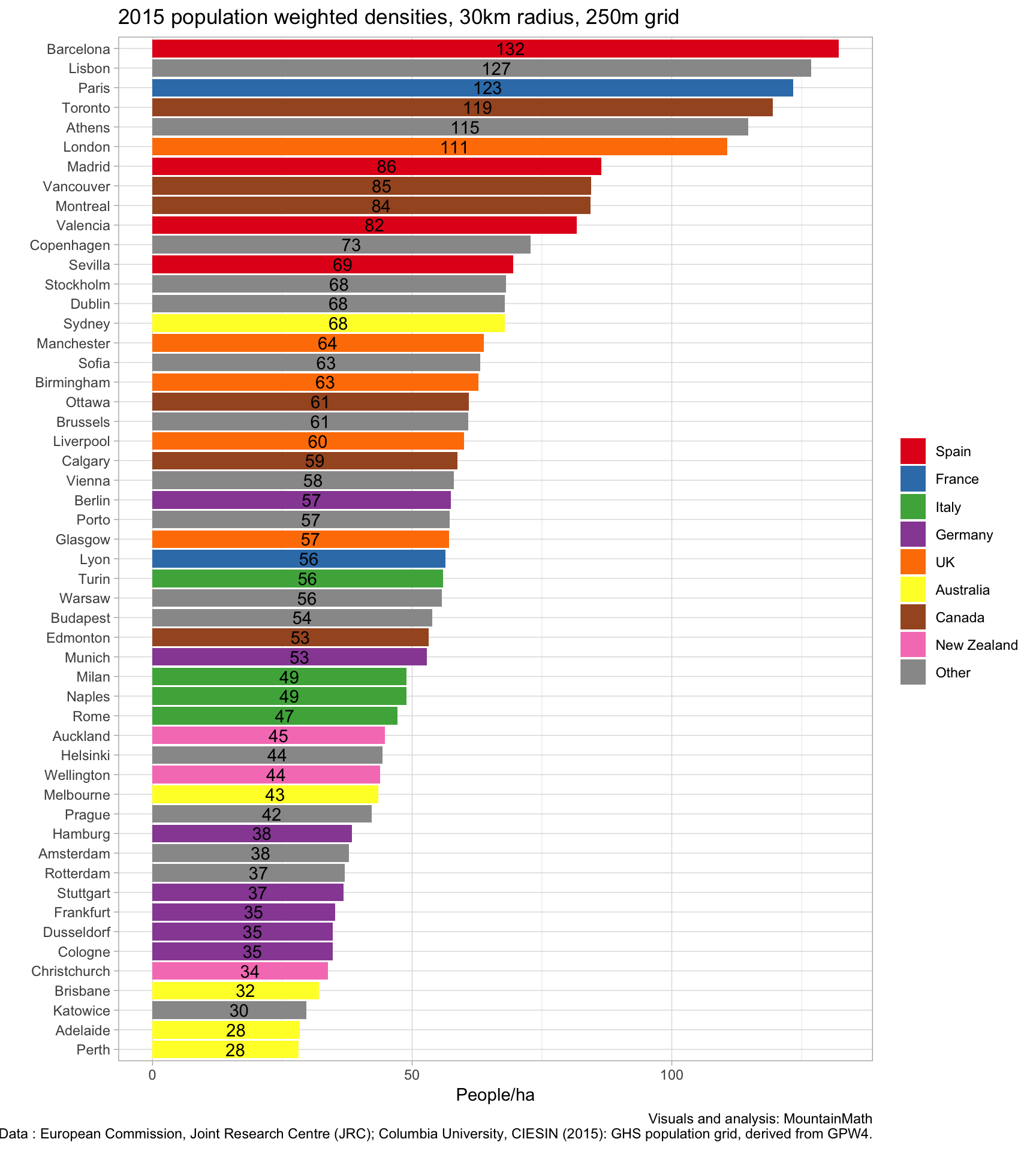
I need your help. I have been explaining to several people outside of Canada what explains the growing difference between urban areas in the US and Canada and I have arrived at the conclusion that our membership in the Commonwealth is increasingly a big factor, especially in regards to demographics. If you look at the country of origin of newcomers to NA they are roughly the same until after WW2 when UK/HK and South Asian dominated here versus increasing numbers from Mexico to the US.
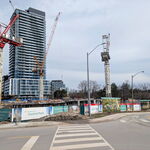
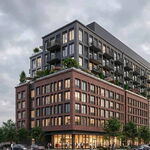
The second feature of this is a common education background as well as institutions. For example the architects/planners guiding Canadian urban policy were British trained thus the presence of tower blocks across the country and in suburban areas unlike the US.
This is just an initial idea but one that goes a long way to explaining trends in Canada since 2000. Thoughts?
Not really.
I don't think the built form is primarily dictated by more recent immigration patterns. We saw far more hirise construction here, albeit much of it the 'Tower in the Park' variety than was ever common in the U.S.
I also don't think the Commonwealth per se is a factor in recent immigration trends either.
All Anglo countries (Britain, the U.S., Australia and Canada) have been inordinately open to immigration.
The demographic breakdown of immigrants is linked to the legal channels for immigration, to illegal immigration, of course, and geography plays a big role in the latter.
The U.S., historically had a greater focus on chain/family migration, meaning you got more of people you already had, who could act as sponsors. We have that too, but our points system in immigration counted for a higher proportion of immigrants vs family class, and that skewed the numbers, along with those coming through various other channels.
****
Back to built form. The divergence can be ascribed to many things, but I think you need to go back and look at that latent difference, the one that goes back particularly to the post WWII era.
That difference, I think can be said to a greater belief in government and in planning, in part.
The same mentality differences that led Canada to adopt Universal Healthcare (albeit with some omissions); saw the U.S. stop, for most part, at Medicare for Seniors and Medicaid for the acutely poor.
Without engaging in national self-flattery, Canadians are also a more traveled people vs Americans and are, therefore, more exposed to the world, above and beyond what higher levels of immigration have done. Higher rates of passport holding and higher rates of having traveled outside the country are material and affect what considerations go into planning vs a somewhat more insular and 'exceptional' United States.
The Greenbelt here in the GTA is very much an influencing document by restricting vast areas of land from sprawl. But it wasn't the first greenbelt, these have existed in/around Vancouver and Ottawa among other places for much longer.
Montreal, being on an Island with finite capacity in/out saw some of the same effect by default.
****
One can certainly speak of many global influences on Canadians and Canadian policy in recent years, some of which are from Britain, and by weight of immigration, India.
But much is from other sources, Quebec/France, obviously, but also waves of immigration from China, have had an effect on built form, and policy in some measure.
Its a complex thing not attributable to anyone feature of Canadian society. Its also a feedback loop. The better transit gets, the more people take it, the more demand there is to make it better. The more people
grow up in apartments/condominiums the more people accept this as a likely housing option and maybe even a preferred one.