





rdaner
Senior Member
Update?
|
|
|


 storeys.com
The other critical zoning reform is for apartment site infill to be voted on 25-6 June meeting. Though it mentions townhouses specifically this would open up a wide range of possibilities depending on location/transit.
The linked report is interesting as it points out that over 70% of the suitable sites are in the former cities of Scarborough, Etobicoke and North York. This leads me to wonder if there will be pressure to approve this in exchange for slowing down sixplex zoning in these areas?!
Is It Time To Tap Into Toronto's 'Tower-In-The-Park' Sites For New Housing?
“Toronto’s tower-in-the-park sites are one of the city’s greatest untapped housing resources,” says one prominent industry player.
For her part, Mayor Olivia Chow has been reticent to use the strong-mayor powers available to her, but she doesn’t necessarily have to use an outright veto of a council majority. Because of the financial sums involved, she can call a special meeting of council and present councillors a clear choice: either accept sixplexes citywide or accept the mid-year property tax increase required to fill the budget hole their exclusionary politics would otherwise create. The mayor can use her budgetary powers (including vetoing any bad-faith amendments) to force some clarity in a debate where bad actors prefer to obfuscate: in short, to demand that suburban councillors put their money where their mouths are.
What if that allows the current residents to extract lots of investment in infrastructure (say, a subway line) and refuse to allow anything but SFHs in their neighbourhood. *cough* Willowdale *cough*I have no problem with 6 plexes (or 5 plexes or 7plexes), but I am somewhat dismayed by the groupthink on this forum. Does anyone believe that allowing 6 plexes as of right throughout the GTA (rather than limiting it to the wards where it passed) will make any difference at all with regard to the housing crisis. Approving 6 plexes throughout the GTA will not get them built. We already have far more density approved than required, yet there seems to be a persistence to push for more density.
I prefer increasing density in low rise buildings, but can appreciate that others may not like them in their neighbourhood. I actually think it's great that individual wards can have different planning regs, based on the wishes of their constituents and their local councillor.
 www.azuremagazine.com
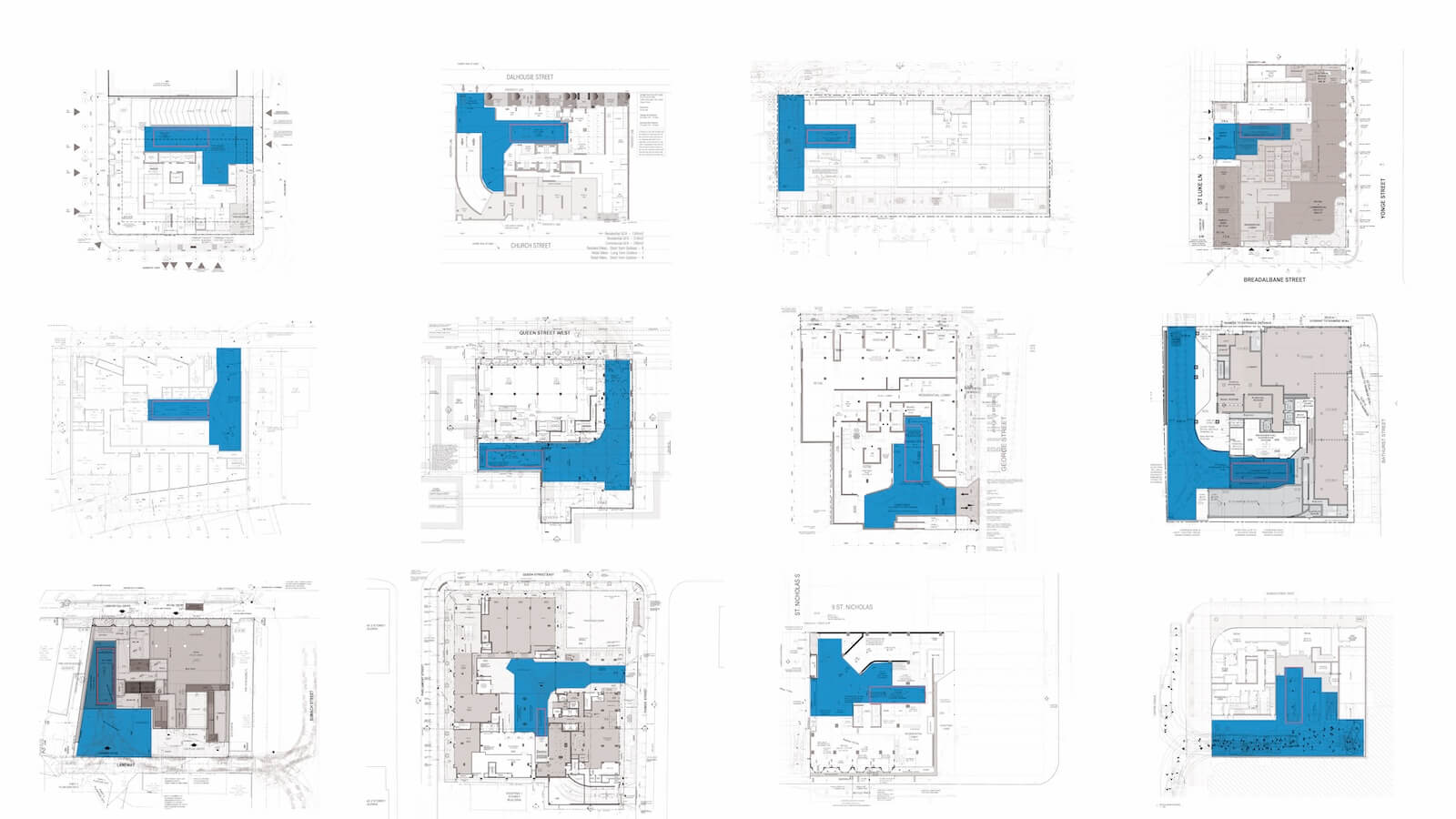
I've seen through social media this week that this -- both the article and issue -- is on the radar of the new Chief Planner, and at a planning conference this week, "Thorne says TO is going to look into garbage loading standards, because it really affects floor plans of new housing"Pretty good explanation of the impact of the loading areas. It is so bizarre that the city wants to destroy the streets that make our neighbourhoods great (Bloor, Dundas, College etc.) to make room for development, while preserving in amber the streets that freeload off the commercial strips. What is left of the Annex if the shops and restaurants on Bloor are no longer there?
A Letter from Councillor Matlow has been added to the Planning and Housing agenda for today seeking a review of the foundation drainage policy.
Not zoning per se, but it fits as one of those rules about how you build that effects what gets build and where.
For those unfamiliar w/this issue, a policy change was adopted in 2022 which required that buildings whose foundations will sit in the water table had to go water-tight in their foundation or find other means of dealing with the water, other than draining it to the City storm sewers.
The result is extra costs for developers which can be particularly impactful on smaller scale/midrise projects.
*note, the policy is sensibly intended, as the discharge of ground water to the sewer system uses up capacity, that can then result in a holding by-law until the City can enlarge capacity.
The question here is whether the balance is correct in the details, and the answer is probably no.
From the above:
View attachment 666276
@ProjectEnd and @ADRM will now have their opinions solicited.
Canada’s outdated elevator rules are adding to the housing crisis
Canada is an increasingly urban nation, but the soaring cranes across its cities mask surprisingly few elevators – around four for every 1,000 Canadians, slightly ahead of the United States but behind every other high-income country with available data. Switzerland has half the population of Ontario and almost four times as many elevators. Greece has 10 times as many elevators per capita as Canada.
Elevators in Canada are far more expensive than in Europe. A new elevator in a small, mid-rise apartment building in Canada costs the developer upward of $200,000, compared to roughly a third of that cost in Europe. Canada’s expensive elevators are both a cause and an effect of our more suburban, low-rise settlement patterns – we rely less on apartment buildings so there is less of an outcry over high costs, but those high costs also continue to make family apartment living less affordable and attractive in Canada.
https://archive.is/1SFfUThe high cost of elevators in Canada also means some smaller buildings have none at all, limiting accessibility. Larger buildings have fewer elevators, leading to longer waits and more disruption when one is out of service. As Canada opens itself up for more small-scale infill growth – with smaller rental and condo buildings made viable by pending single-stair reforms and land use reforms – the high cost of elevators will become more of a barrier to the development of affordable, accessible homes.