



G
ganjavih
Guest
Renovating Toronto
Mismatched furniture, peeling paint, dowdy style. What's a city to do? Call for contracts to refurbish the streets. Think designer makeover.
Jul. 9, 2006. 08:27 AM
JENNIFER WELLS
Raise high the roofbeams, ladies and gents, the great city reno is about to begin. Within a matter of weeks city council intends to issue a so-called RFP, or request for proposal, that will result in a host of savvy companies from around the globe bidding on Toronto's 20-year street furniture contract.
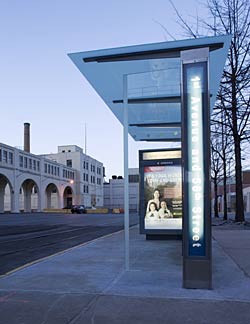
Never heard of street furniture? Well, you will. Imagine a transformation of Toronto streets into a co-ordinated landscape of litter bins and newsracks and toilettes and more that we, the people, actually like.
Or so we hope.
The jockeying for profile among the competing companies has already commenced. Recently spotted roaming the streets of downtown Toronto: Toulla Constantinou, chief executive officer, North America, for Cemusa, headquartered in Spain.
It was Constantinou who led the Cemusa team in its successful bid for the New York City street furniture contract. The company, dare we say, is feeling chuffed and confident.
"They have no commonality and most of them are dysfunctional," says Constantinou of the pieces currently plopped around our not-so-fair city. She clucks disapprovingly over the state of a litter bin, mutters about the paint peeling from a light post and seems in a state of near shock as she balefully stares at a mass of metal newspaper boxes.
It is true, our house is a mess. Constantinou figures she can fix it. "You can count us in," she says of the Toronto bid.
Among other likely contenders: JCDecaux of France, represented by Francois Nion, the company's executive vice-president for North America, who, these days, is spending most of his time right here in our town. "Toronto is one of those few world-class cities," he says. "For a company like us it is very important. So we are paying a lot of attention and most likely we will bid, but we need to see the RFP document."
Street furniture wins for Decaux include Chicago, Barcelona and, recently, New Delhi.
About the pending competition, Clear Channel, based in the U.S., is saying ... very little. "Clear Channel is not going to be public about our intentions," says Alan High, vice-president, operations and marketing for Clear Channel Outdoor Canada (think Dundas Square.) "We haven't become the biggest by talking about it."
All right then.
How the eventual arrangement will work: The vendor will install and maintain the furniture pieces at no cost to the city. In exchange, the city will authorize the vendor to sell attached advertising, with a percentage of those revenues directed back to city coffers.
Robert Freedman, director of urban design for the city's planning division, explains the vision. "People are used to thinking of streets as conduits, how to get from A to B," he says. "I think when you hear urban designers and landscape architects talk about the street, they want to talk about the space that is created within a street, with the buildings on either side acting as walls to help contain the space. If you continue with that kind of analogy, which is the street as a room, well, rooms are furnished."
Ergo, street furniture.
But what, oh what, do we want our shared public space to look like? "We're looking for something that conveys you're in Toronto," says Andy Koropeski, director of transportation services for the city. Koropeski is overseeing the entire project and reflects upon concerns that have been raised thus far.
Consider: homogeneity. "That concern has definitely been raised," he says, adding that the competing companies will ultimately have an opportunity to express neighbourhood individuation in their pitches. Think different colours, or possibly "attachments" of some sort that would signify, say, Little Italy.
Are you excited yet?
The largest companies in this game align themselves with high-profile architects. Think Philippe Starck and Norman Foster (Decaux), or Nicholas Grimshaw and Oscar Niemeyer (Cemusa). Hey. Wouldn't a local designer be grand?
Constantinou speaks optimistically about the exercise upon which we, collectively, have embarked. "I don't think we should deny that we want to live in places that are beautiful," she says. "You can't give up that dream. As a human being you shouldn't give up on that dream."
Mismatched furniture, peeling paint, dowdy style. What's a city to do? Call for contracts to refurbish the streets. Think designer makeover.
Jul. 9, 2006. 08:27 AM
JENNIFER WELLS
Raise high the roofbeams, ladies and gents, the great city reno is about to begin. Within a matter of weeks city council intends to issue a so-called RFP, or request for proposal, that will result in a host of savvy companies from around the globe bidding on Toronto's 20-year street furniture contract.
Never heard of street furniture? Well, you will. Imagine a transformation of Toronto streets into a co-ordinated landscape of litter bins and newsracks and toilettes and more that we, the people, actually like.
Or so we hope.
The jockeying for profile among the competing companies has already commenced. Recently spotted roaming the streets of downtown Toronto: Toulla Constantinou, chief executive officer, North America, for Cemusa, headquartered in Spain.
It was Constantinou who led the Cemusa team in its successful bid for the New York City street furniture contract. The company, dare we say, is feeling chuffed and confident.
"They have no commonality and most of them are dysfunctional," says Constantinou of the pieces currently plopped around our not-so-fair city. She clucks disapprovingly over the state of a litter bin, mutters about the paint peeling from a light post and seems in a state of near shock as she balefully stares at a mass of metal newspaper boxes.
It is true, our house is a mess. Constantinou figures she can fix it. "You can count us in," she says of the Toronto bid.
Among other likely contenders: JCDecaux of France, represented by Francois Nion, the company's executive vice-president for North America, who, these days, is spending most of his time right here in our town. "Toronto is one of those few world-class cities," he says. "For a company like us it is very important. So we are paying a lot of attention and most likely we will bid, but we need to see the RFP document."
Street furniture wins for Decaux include Chicago, Barcelona and, recently, New Delhi.
About the pending competition, Clear Channel, based in the U.S., is saying ... very little. "Clear Channel is not going to be public about our intentions," says Alan High, vice-president, operations and marketing for Clear Channel Outdoor Canada (think Dundas Square.) "We haven't become the biggest by talking about it."
All right then.
How the eventual arrangement will work: The vendor will install and maintain the furniture pieces at no cost to the city. In exchange, the city will authorize the vendor to sell attached advertising, with a percentage of those revenues directed back to city coffers.
Robert Freedman, director of urban design for the city's planning division, explains the vision. "People are used to thinking of streets as conduits, how to get from A to B," he says. "I think when you hear urban designers and landscape architects talk about the street, they want to talk about the space that is created within a street, with the buildings on either side acting as walls to help contain the space. If you continue with that kind of analogy, which is the street as a room, well, rooms are furnished."
Ergo, street furniture.
But what, oh what, do we want our shared public space to look like? "We're looking for something that conveys you're in Toronto," says Andy Koropeski, director of transportation services for the city. Koropeski is overseeing the entire project and reflects upon concerns that have been raised thus far.
Consider: homogeneity. "That concern has definitely been raised," he says, adding that the competing companies will ultimately have an opportunity to express neighbourhood individuation in their pitches. Think different colours, or possibly "attachments" of some sort that would signify, say, Little Italy.
Are you excited yet?
The largest companies in this game align themselves with high-profile architects. Think Philippe Starck and Norman Foster (Decaux), or Nicholas Grimshaw and Oscar Niemeyer (Cemusa). Hey. Wouldn't a local designer be grand?
Constantinou speaks optimistically about the exercise upon which we, collectively, have embarked. "I don't think we should deny that we want to live in places that are beautiful," she says. "You can't give up that dream. As a human being you shouldn't give up on that dream."