




afransen
Senior Member
The difference in mass is not sufficient to explain the increase in pedestrian mortality.Except that there's a kinetic energy calculation that applies to all vehicle crash related injury, based on speed and mass.
The sum of kinetic energy is important in determining an injury severity and that is equal to one half of the vehicle mass multiplied by the square of the vehicle speed
Kinetic energy management in road traffic injury prevention: a call for action - PMC
By virtue of their variability, mass and speed have important roles in transferring energies during a crash incidence (kinetic energy). The sum of kinetic energy is important in determining an injury severity and that is equal to one half of the ...www.ncbi.nlm.nih.gov
Even when separating out SUV/Pickup class vehicles, weight does matter.
"For the average U.S. metro area, a 100 kilogram increase in vehicle size corresponded to a statistically significant 2.4 percent increase in pedestrian fatalities. The impact of light trucks (again: SUVs, pick-ups, and minivans) was even more significant. In an average metro area, for every 10 percent of vehicles that rose in size to light trucks, there was a 3.6 percent increase in the pedestrian fatality rate."
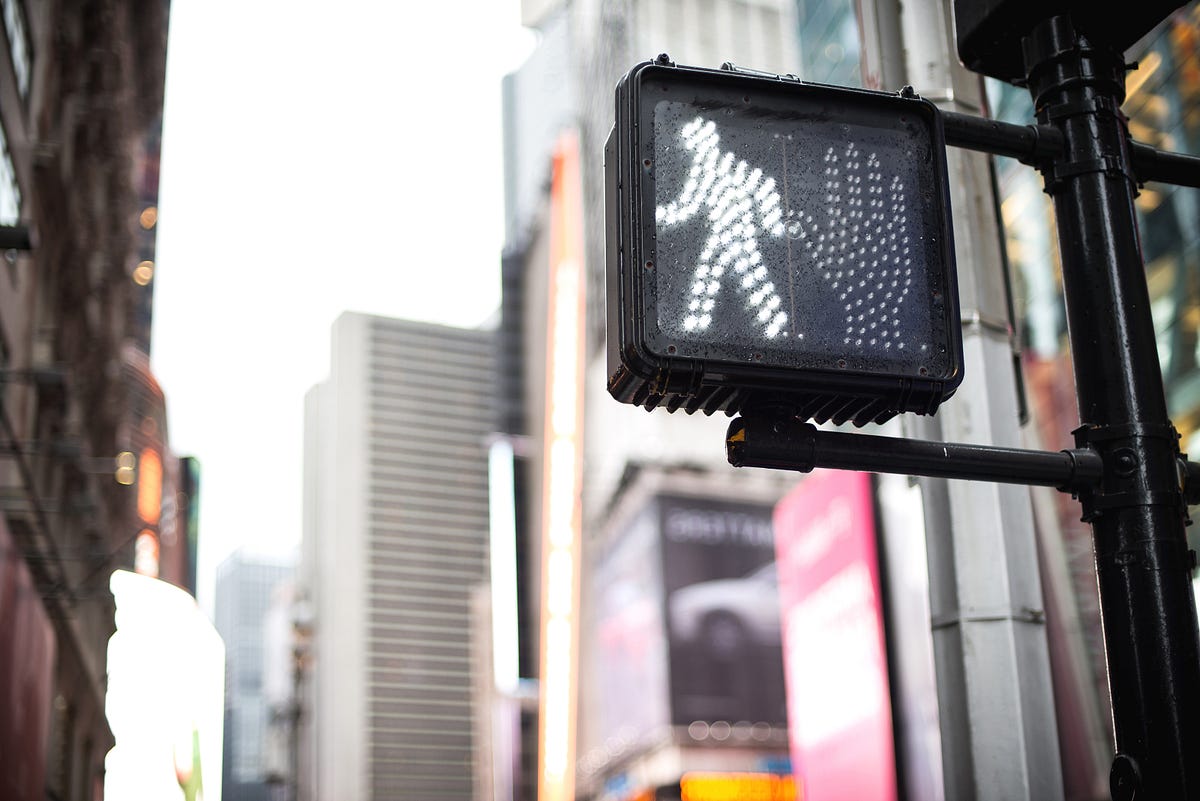
The troubling tie between bigger cars and pedestrian deaths
A new study estimates that replacing large vehicles with standard ones would have saved more than 8,100 lives since 2000. What can be done?medium.com
Did the analysis above control for vehicle geometry, or is it confounded with weight?


