




urbanclient
Active Member
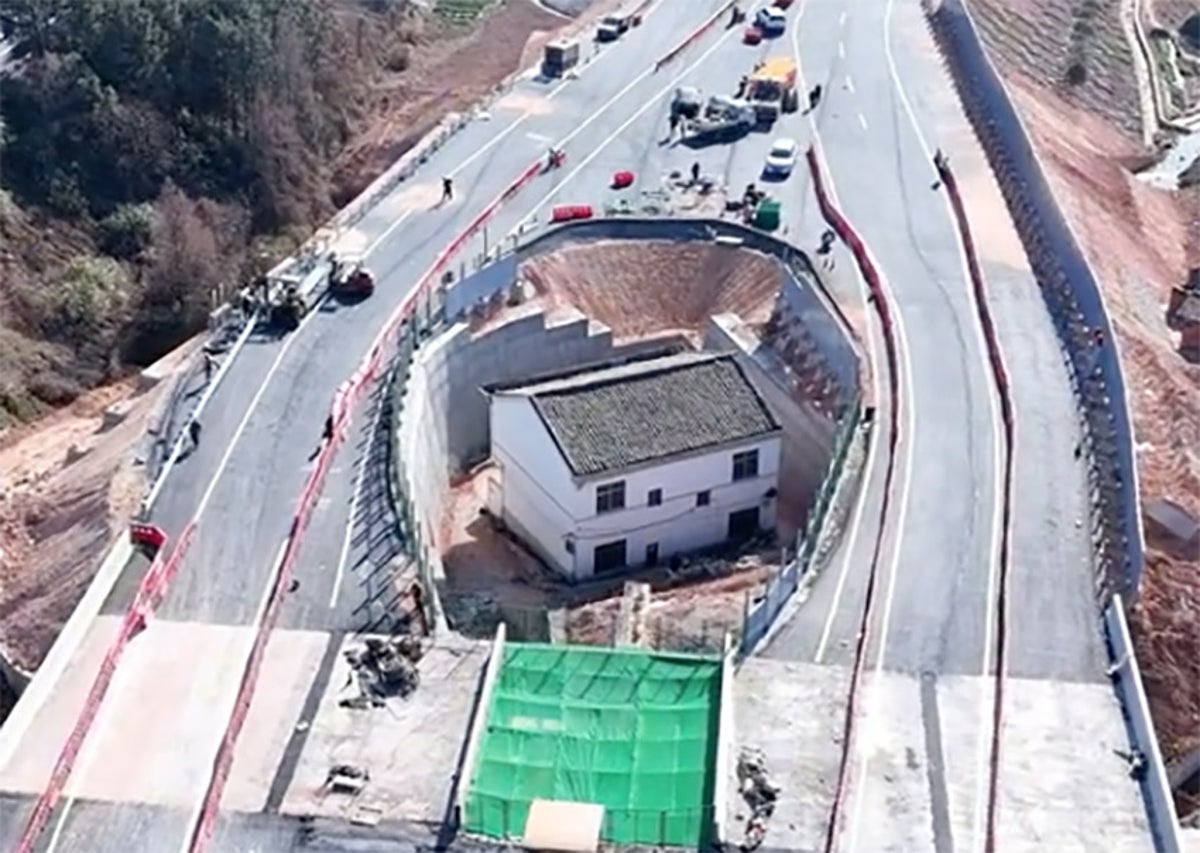
At the risk of pointing out the obvious, that's a famous case of a "nail house" in China, more examples here:

|
|
|
At the risk of pointing out the obvious, that's a famous case of a "nail house" in China, more examples here:

I saw one in Wuhan - they refused to sell their farmhouse to a new neighbourhood/tower development. Simply built four lane avenue on one side and eight towers on the other side. Enjoy your property.At the risk of pointing out the obvious, that's a famous case of a "nail house" in China, more examples here:
Holdout (real estate) - Wikipedia
en.wikipedia.org
 www.thewhig.com

 www.thestar.com
I have more sympathy for someone who says $36,000 USD isn’t enough to rebuild their house, against a backdrop of high inflation every year for decades (Chinese case in the video), than someone who owns land that has appreciated faster than inflation, to become some of the most expensive rural land in the world (@micheal_can 's Sydenham case).I saw one in Wuhan - they refused to sell their farmhouse to a new neighbourhood/tower development. Simply built four lane avenue on one side and eight towers on the other side. Enjoy your property.
From what I understood from my Wuhan example, the family I knew had a plot of farmland and farm house. Couple living there were offered an apartment/condo unit in one of the new towers on a 99-year lease, each of their children were offered at least one unit each, and additional other family members were offered units on a discount of something like 50%/75% off the "market value" of those to-be-built units. Most of the family now live in that tower neighbourhood along with all the other farmers whose lands were bought up, a lot of whom were nearing retirement anyway. When I was in Hangzhou I ran into a similar situation where a guy was able to turn his farmhouse into six different apartment units in a building which he then turned around and rented out. Leashes on landlords there, though, are much shorter than here...I think he spent his days collecting rent and clearing garbage from the neighbourhood.I have more sympathy for someone who says $36,000 USD isn’t enough to rebuild their house, against a backdrop of high inflation every year for decades (Chinese case in the video), than someone who owns land that has appreciated faster than inflation, to become some of the most expensive rural land in the world (@micheal_can 's Sydenham case).

Right but we also dont know which trails and roads get closed. theres a big difference in overpasses/underpasses between a 7ft by 10ft culvert and a 2 lane/4 lane road thats 3 times the size.
yes Alto is saying 0 grade crossings but these concerns will be taken care of and might I add paid for.
someone told them if they want an underpass they will need to pay for it? naw no shot
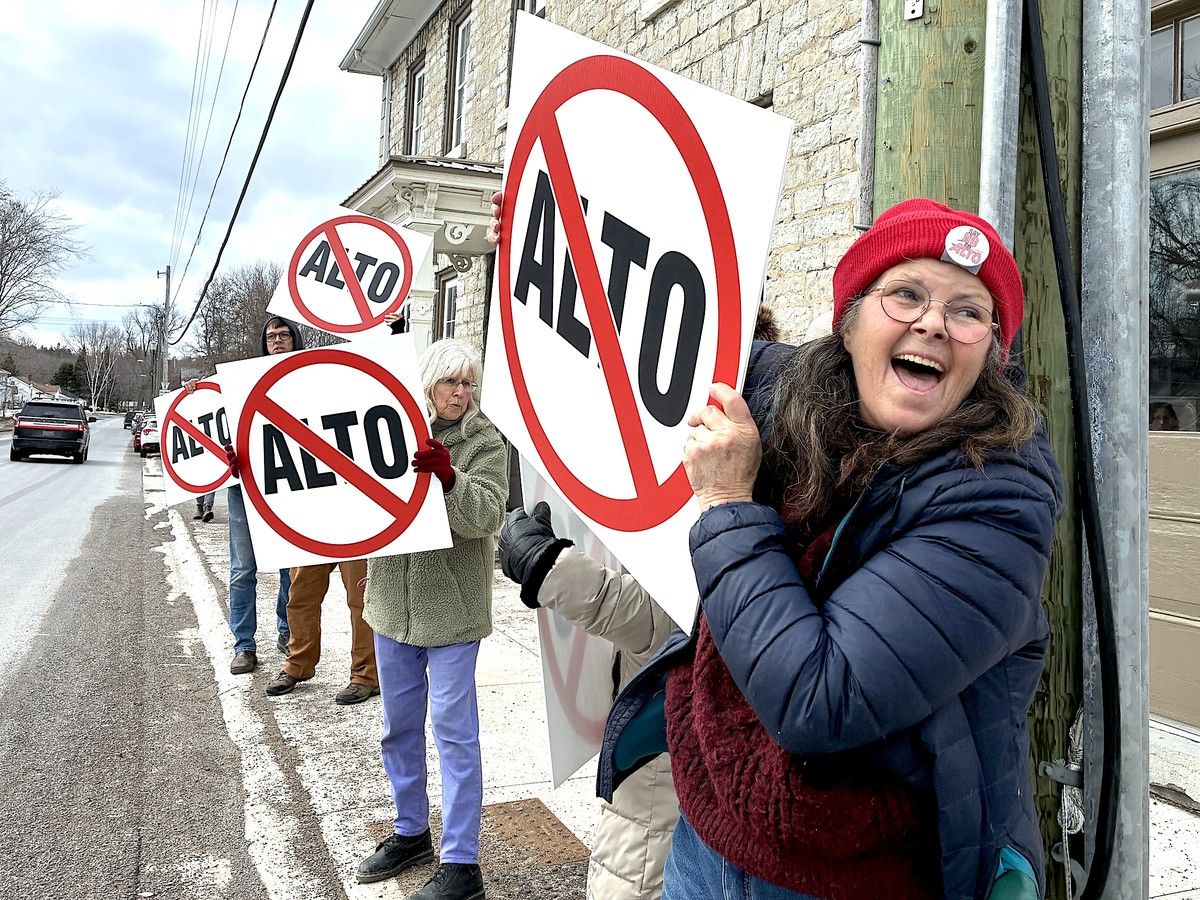
The issue is not who will pay for it or not, it is the almost opaque way ALTO is handling this. They should have contacted people like the OFSC and OFATV for them to voice their concerns. The other thing is, because HSR requires arrow straight lines, the old Havelock sub will not be used in its entirety. So, they are creating unnecessary anxiety. It is almost like they do not want it built.I do think there is a concern that recreational trails should be maintained or replaced where ALTO is built. Such as if an abandoned rail corridor that is being used as a recreational trail is taken for ALTO, then they should build a new recreational trail to replace it. Also build crossings if a trail is intersected.

This. The uncertainty (big error band from "which 10m of 100km" lore) is scaring many people. Carney has a mandate til 2029, but ALTO should help placate a few pitchfork and torches soon, so we can get shovels by 2029-ish.Thats basically it. As soon as the northern route is chosen 99% of this uproar will die down. especially when the 10m row will be publicized. people will be like. oh wait its not near me.

yea this article is weird. basically ignores the last 40 years of historyFor anyone reading the Globe and Mail and not caught up in the article about the Arkell, there is an interesting opinion piece re alternatives to Alto, both build solutions and trains. This by Jason Shron. Jason Shron is president of the VIA Historical Association and author of TurboTrain: A Journey.
See https://www.theglobeandmail.com/opi...rain-from-50-years-ago-has-lessons-for-today/
yea this article is weird. basically ignores the last 40 years of history
yes the travel times in the 70s were pretty good, but the freight companies have made it so its almost impossible to schedule trains on the existing corridor. requiring Via to wait behind CN's trains. It feels like the author is suggesting to nationalize our railroads instead
 www.thestar.com
For $100B (plus another $130B in a short-term loan) we probably could buy both CPKC and CN Rail, move all the Canadian railway corridor to a separate entity, then spin them off again. Charge fees to operate on the Canadian track using something like the airport model, where a non-profit manages most of the fixed [non-moving] capital and the operators have significant input.
That doesn't actually solve anything though as giant slow trains and short fast trains still don't mix well. A very large capital investment into tracks would also be required; much longer and more frequent sidings if nothing else.